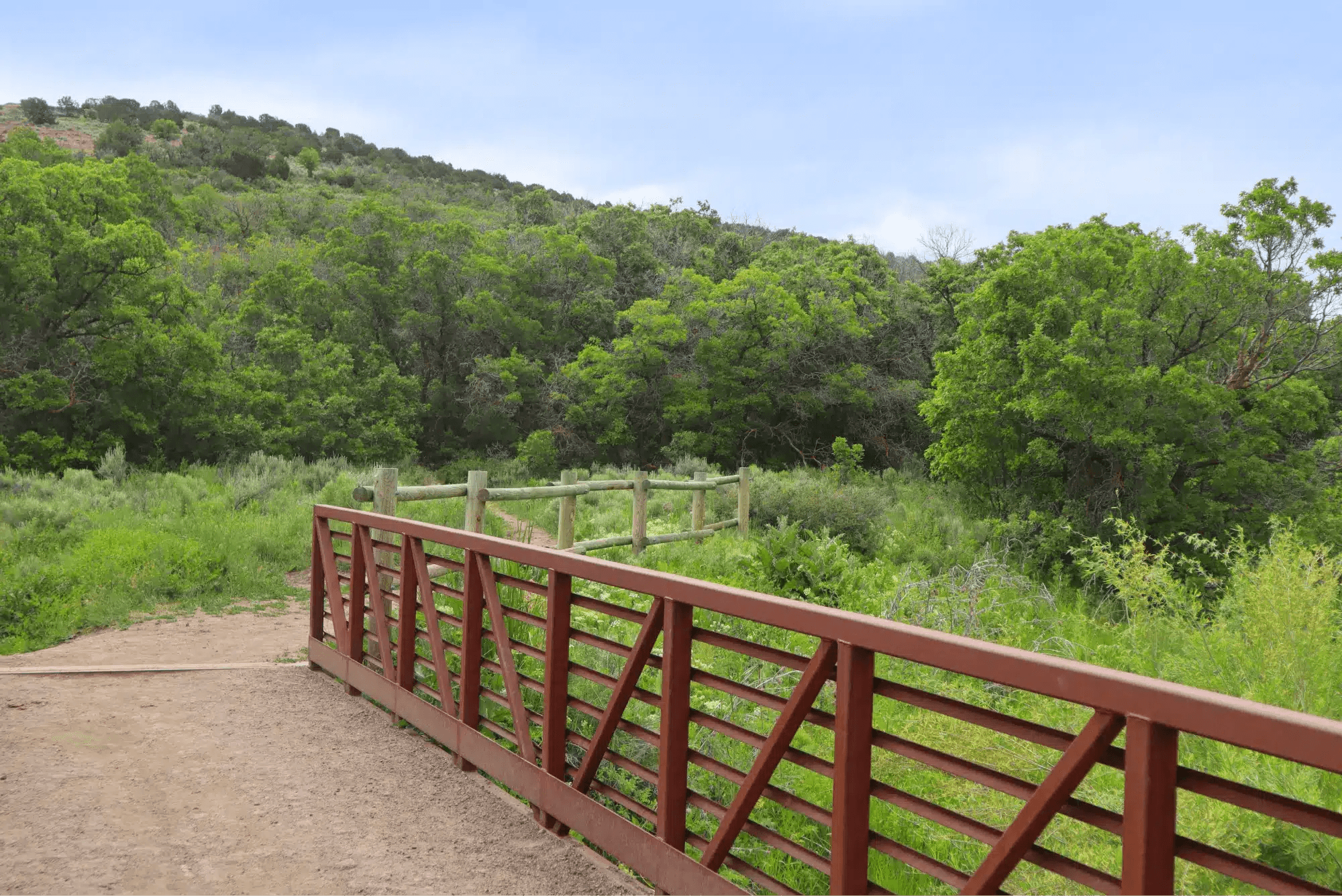
Herriman — Large Lots and Room to Build
Explore tailored Landscape Design expertise for homes and businesses in Herriman.
Retaining Walls in Herriman - Our Project Impact
Pitt Landscape has completed 3 retaining walls projects across Herriman, totaling $34K in sold work at an average project value of $11K. Recorded sold work here dates back to April 2023, showing a growing local track record and real experience with projects in this area.
5
Total Estimates
$58K
Estimate Revenue
3
Projects Sold
$34K
Sold Revenue
Project Coverage in Herriman
Track where we're building retaining walls projects throughout Herriman.
Neighborhood Summary
| Neighborhood | Sold Jobs | Sold Revenue | Avg. Ticket |
|---|---|---|---|
Herriman | 3 | $34,317 | $11,439 |
| Grand Total | 3 | $34,317 | $11,439 |
- Sold Revenue
- $34,317
- Avg. Ticket
- $11,439
- Sold Revenue
- $34,317
- Avg. Ticket
- $11,439
Retaining Walls in Herriman
Full-service retaining wall design, permitting, and installation across the Salt Lake Valley. We handle the whole project — one crew, one contract. Our crews tailor each project to local site conditions, property goals, and the long-term performance expectations for Herriman.
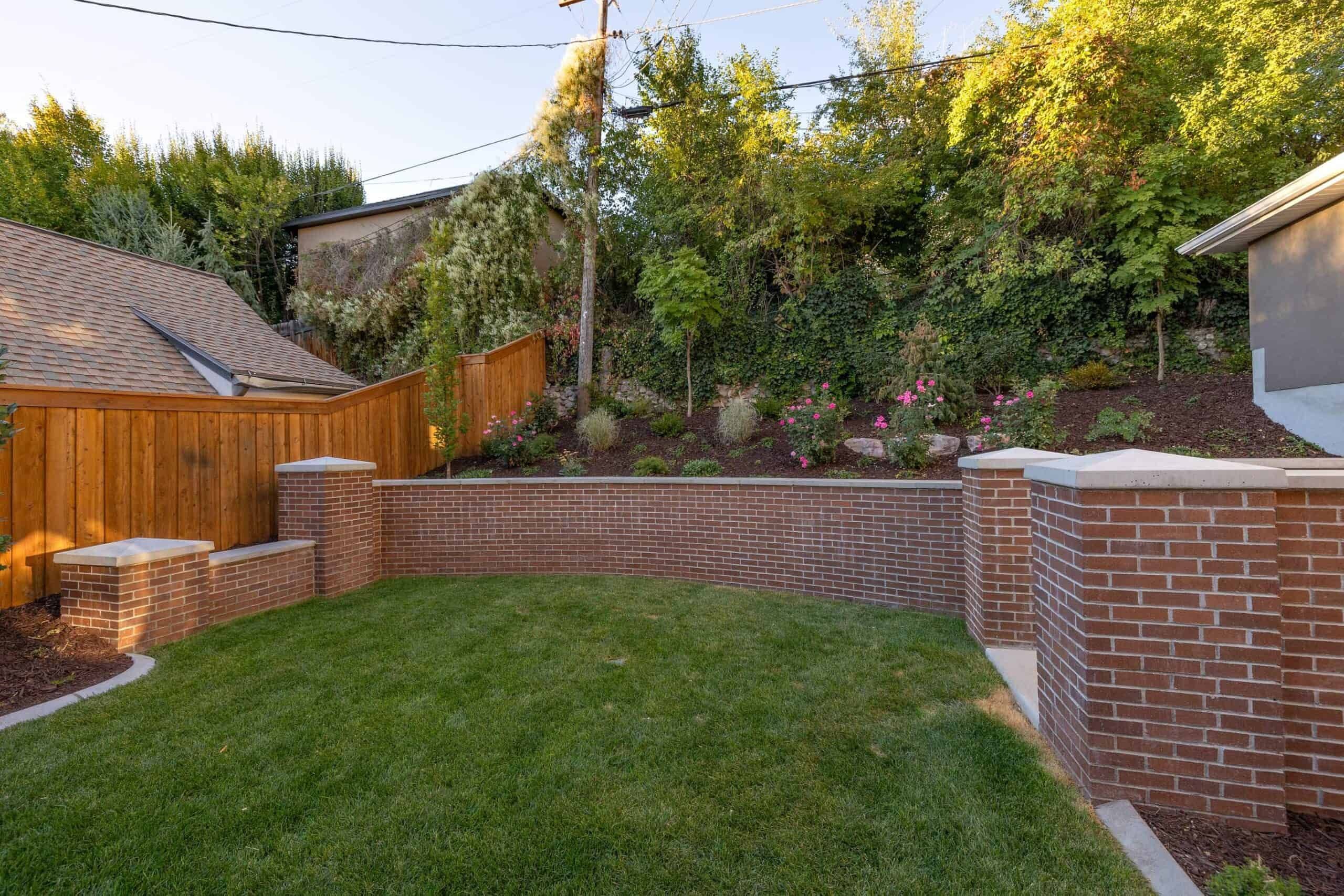
Herriman Terrain — Bench Slopes and Desert Transition
Herriman's bench location creates a terrain pattern common to many southwest Salt Lake County communities: flatter valley-floor lots in the lower subdivisions, transitioning to more pronounced grades as you move east and uphill toward the Oquirrh Mountain foothills. Sloped lots in Herriman's upper neighborhoods frequently require retaining walls, terracing, or grade modification to create usable flat areas — the raw bench slope is often too steep for outdoor living without some structural intervention. We design retaining walls and terracing as integrated landscape elements rather than purely functional structures, so the finished yard looks designed rather than engineered.
Herriman's soils are generally well-draining sandy loam on the bench, but compaction from construction activity is widespread in newer developments. A proper soil assessment before any planting or irrigation work typically reveals layers of compaction that explain why builder-grade grass is already thinning or patchy. Addressing the compaction layer — whether through aeration, amendment, or soil replacement — is often the most important first step in any Herriman outdoor renovation.
Project Gallery Overview
Browse real project shots grouped by service. Each card shows a service—tap to explore that service in detail.

Retaining Walls FAQs for Herriman
Answers to the questions we hear most from property owners in Herriman.
Do I need a permit for a retaining wall in Herriman Utah?
Retaining Walls Built to Last in Utah
Retaining walls in Utah face conditions most contractors underestimate. The freeze-thaw cycle that runs through Salt Lake Valley winters expands water in the soil behind a wall, then contracts — cycling pressure that destroys walls built without proper drainage. Clay-heavy Utah soil compounds the problem.
At Pitt Landscape, we design and build retaining walls as structural systems, not decorative features. That means engineered drainage behind the face, compacted granular backfill, and geogrid reinforcement on taller walls. We've built over 260 retaining wall projects across the Salt Lake Valley, and the ones that last all share the same foundation: drainage first, structure second, aesthetics third.
We handle the entire project — site assessment, design, permits where required, excavation, drainage installation, wall construction, and final grading. One crew, one contract, no subcontractor handoffs.
What's Included in a Retaining Wall Project
A full retaining wall project from Pitt Landscape includes every phase from first site visit through final cleanup:
- Site assessment and design — We evaluate slope, soil type, water drainage patterns, and HOA requirements before recommending a wall type and height.
- Permit coordination — Walls over 4 feet typically require a building permit in Salt Lake County municipalities. We handle permit applications and inspections.
- Excavation and base preparation — Proper footing depth prevents settlement. We excavate below frost line and compact a gravel base.
- Drainage system installation — Perforated drain pipe, drainage rock, and filter fabric behind every wall to redirect hydrostatic pressure.
- Wall construction — Boulder, concrete block (Belgard, Anchor, Versa-Lok), timber, or natural stone — installed to engineered specifications.
- Backfill and final grading — Clean gravel behind the wall, native soil behind that, graded away from the structure.
- Cleanup and disposal — All excavated material hauled off-site. Site left clean.
Boulder, Block, and Timber — Which Wall Is Right for You
The right wall material depends on your slope, soil, HOA, and budget. Here's what we build most often across the Salt Lake Valley:
Boulder walls — Natural granite and sandstone boulders are the most durable option for Utah's conditions. No mortar, no pins — gravity and mass hold them in place. Best for taller walls (4–12 ft) and properties where the natural look fits the landscape. Typically the most expensive option but the longest-lasting.
Segmental block walls — Concrete block systems (Belgard, Anchor, Versa-Lok) offer a clean, uniform appearance and work well with HOA requirements. Engineered pin systems provide structural integrity. Standard block walls (2–5 ft) require no permit in most jurisdictions.
Timber walls — Pressure-treated timber is a lower-cost option for shorter walls (under 4 ft) where the natural aesthetic works. Lifespan of 15–20 years with proper drainage. Common on Wasatch Front properties with established landscaping.
During your free estimate, we'll review your slope, soil, and HOA restrictions and recommend the best fit. We don't push the most expensive option — we recommend what will hold up longest for your specific site.
Drainage Is the Most Important Part of Any Retaining Wall
Most retaining walls that fail in Utah don't fail because the wall itself was weak. They fail because of hydrostatic pressure — water that has no place to go builds up behind the wall until it pushes it over or cracks it apart.
Every retaining wall we build includes a drainage system behind the face: perforated drain pipe at the base, drainage rock for the first 12–18 inches of backfill, and filter fabric to keep soil out of the drainage layer. On longer walls, we add weep holes to let any water that does penetrate escape before pressure builds.
This is non-negotiable on our projects. If you're getting bids without a drainage component included, the contractor is setting you up for a wall replacement in 5–10 years.
Our Retaining Wall Process — Consultation to Completion
- Free on-site estimate — We visit your property, assess the slope and soil, measure, and discuss your goals and HOA requirements. Takes 30–45 minutes.
- Design and proposal — We provide a written proposal with wall type, drainage design, material choices, and total cost. No surprise add-ons.
- Permits (if required) — We submit permit applications and schedule inspections. Typical permit timeline: 2–4 weeks depending on municipality.
- Excavation and drainage — Our crew handles all excavation, base prep, and drainage installation. This phase is the most critical and is never rushed.
- Wall construction — Boulder placement, block laying, or timber installation by experienced crew. Large boulder work uses our excavator for precision placement.
- Backfill, grading, and cleanup — Final grading, seeding or sod as needed, complete site cleanup.
Most retaining wall projects run 3–7 days on-site depending on size. We'll give you a specific timeline with your proposal.
Retaining Wall Cost in the Salt Lake Valley
Retaining wall cost in Utah varies significantly based on height, material, drainage complexity, and site access. General ranges:
- Segmental block walls (2–4 ft): $35–$60 per linear foot installed
- Segmental block walls (4–8 ft): $60–$100 per linear foot with drainage and geogrid
- Boulder walls: $80–$150+ per linear foot depending on boulder size and equipment access
- Timber walls (under 4 ft): $25–$45 per linear foot
A typical residential retaining wall project in Draper, Sandy, or South Jordan runs $8,000–$25,000 for 50–100 linear feet of 3–6 foot wall. Larger boulder walls or multi-tiered systems on steep slopes can reach $50,000+.
The most accurate way to understand your cost is a free on-site estimate — every site is different enough that per-foot ranges can mislead. We'll measure, assess drainage needs, and give you an exact price before any work begins.
Ready to Start Your Retaining Walls Project?
tell us more about your retaining walls project — we'll connect you with a local specialist.