
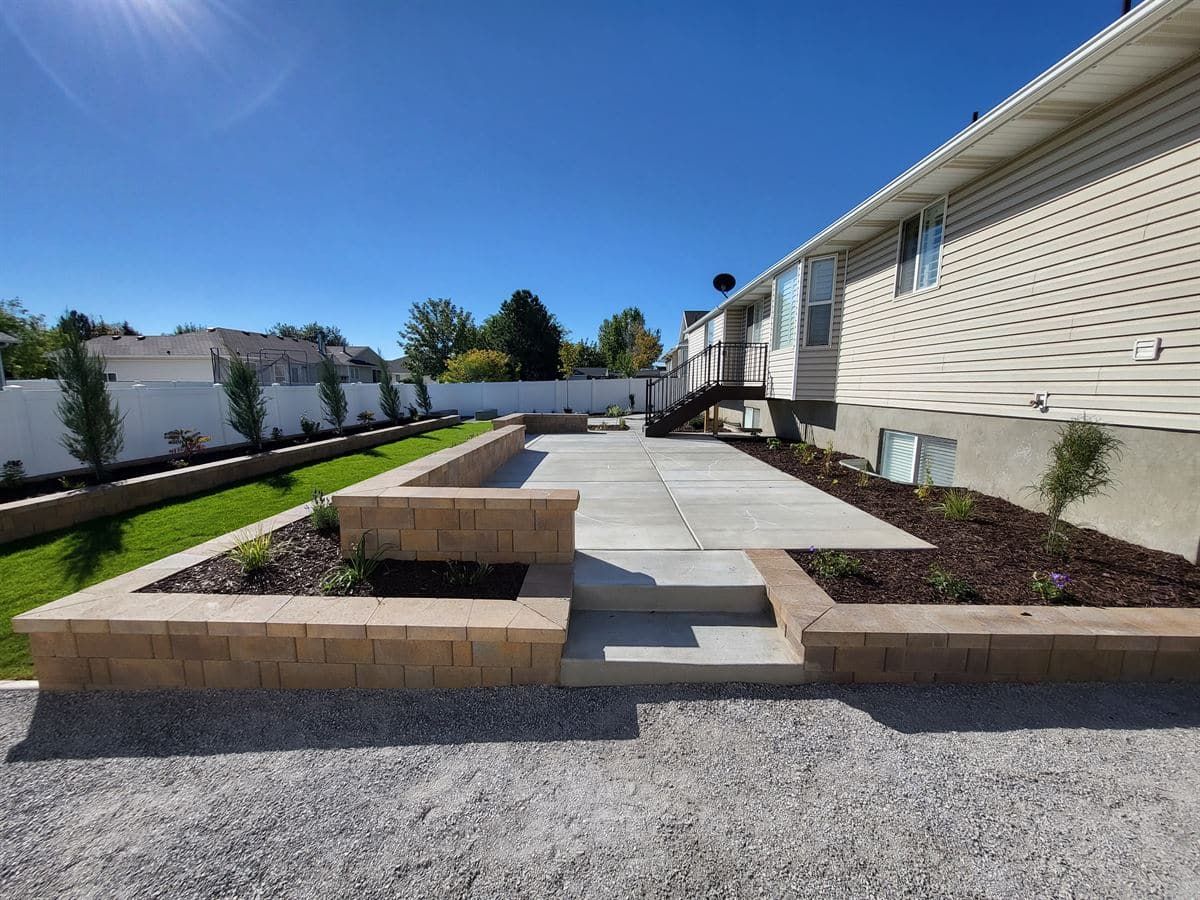
Plants and Softscape
Bring your landscape to life: plants, softscape materials and expert design.
Plants and Softscape Across Utah
Pitt Landscape has completed 183 plants projects across Utah, totaling $1.7M in sold work at an average project value of $9K. We've been delivering this work here since February 2021, and that kind of long-standing local presence gives people confidence that we're here to stay.
Where we deliver Plants and Softscape projects
Explore sold work across Utah and jump directly into the area pages that matter to you.
County Summary
| County | Sold Jobs | Sold Revenue | Avg. Ticket |
|---|---|---|---|
| 125 | $1,025,606 | $8,205 | |
Unknown | 24 | $264,615 | $11,026 |
| 12 | $224,181 | $18,682 | |
| 19 | $151,604 | $7,979 | |
Weber County | 3 | $17,158 | $5,719 |
| Grand Total | 183 | $1,683,165 | $9,198 |
- Sold Revenue
- $1,025,606
- Avg. Ticket
- $8,205
- Sold Revenue
- $264,615
- Avg. Ticket
- $11,026
- Sold Revenue
- $224,181
- Avg. Ticket
- $18,682
- Sold Revenue
- $1,683,165
- Avg. Ticket
- $9,198
Plant Selection & Design
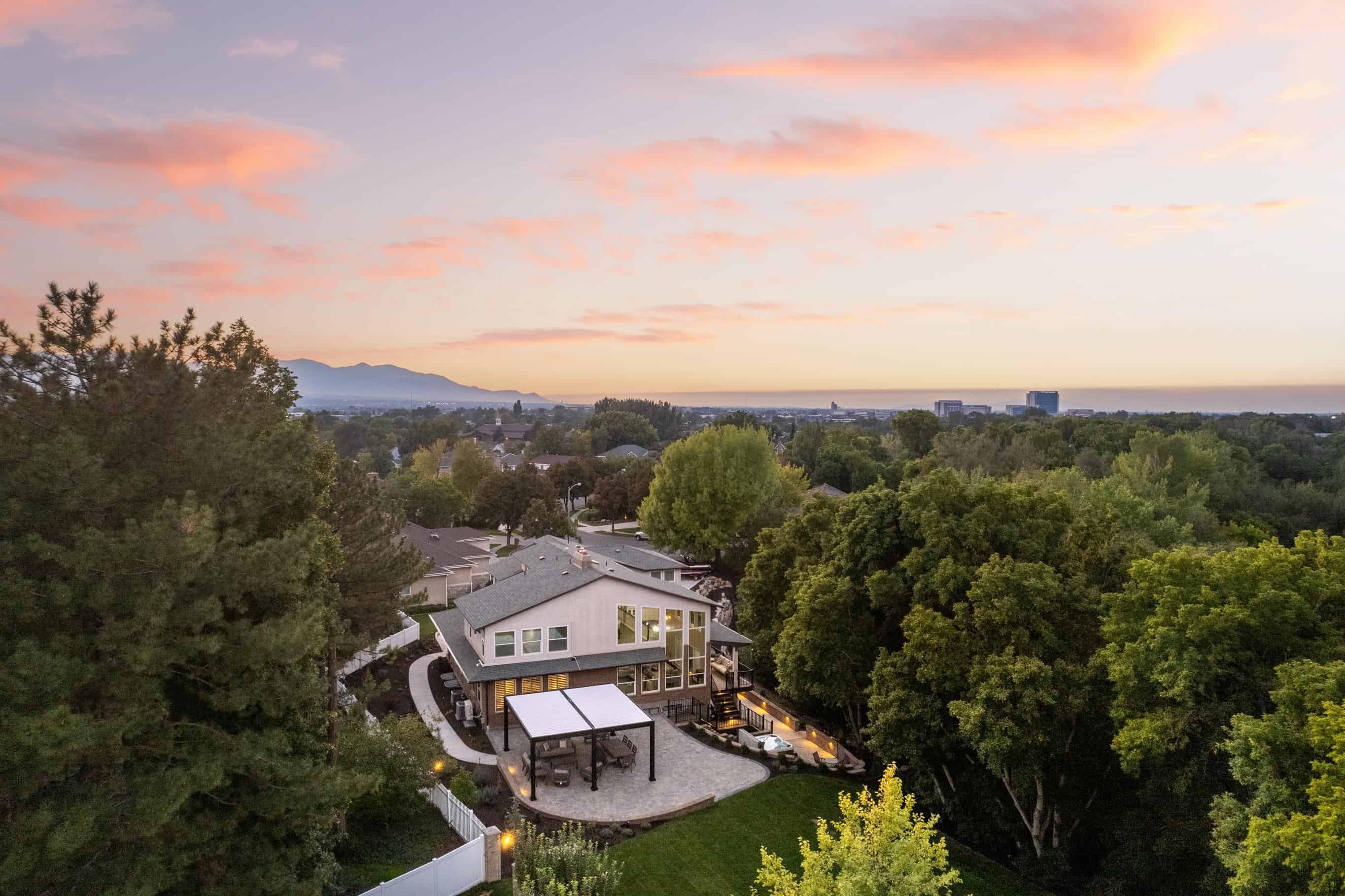
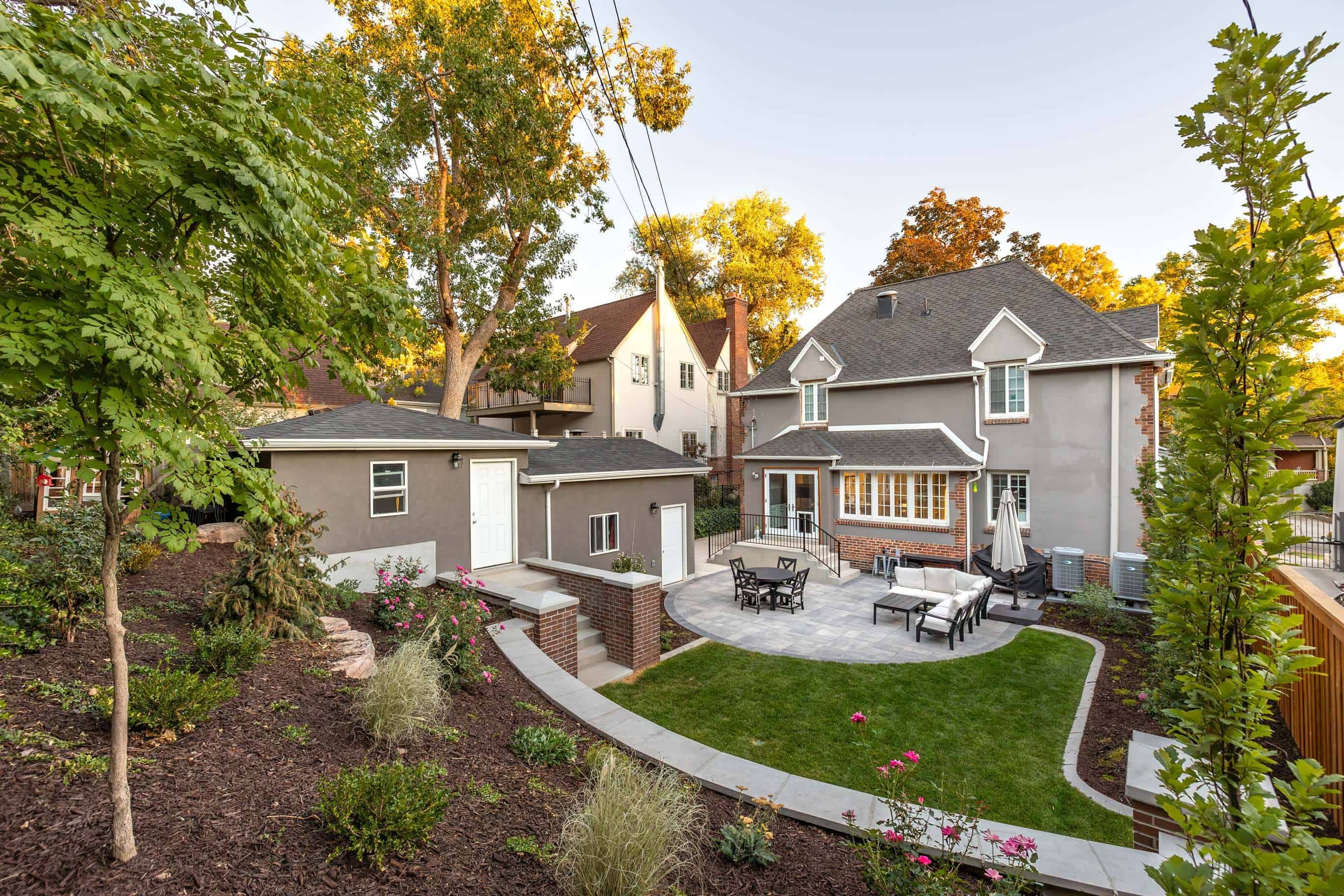
We install perennials, shrubs, trees and flowers that anchor your landscape and bring it to life. Working from a complete design—whether provided by you or created by our in‑house team—we select species that thrive in the local climate and soil. These plantings are integrated with patios, pools, fire pits and other features to create harmony across the whole site. The right mix of heights, textures and colours gives your yard four‑season appeal in Utah or anywhere.
Softscape Materials & Pathways
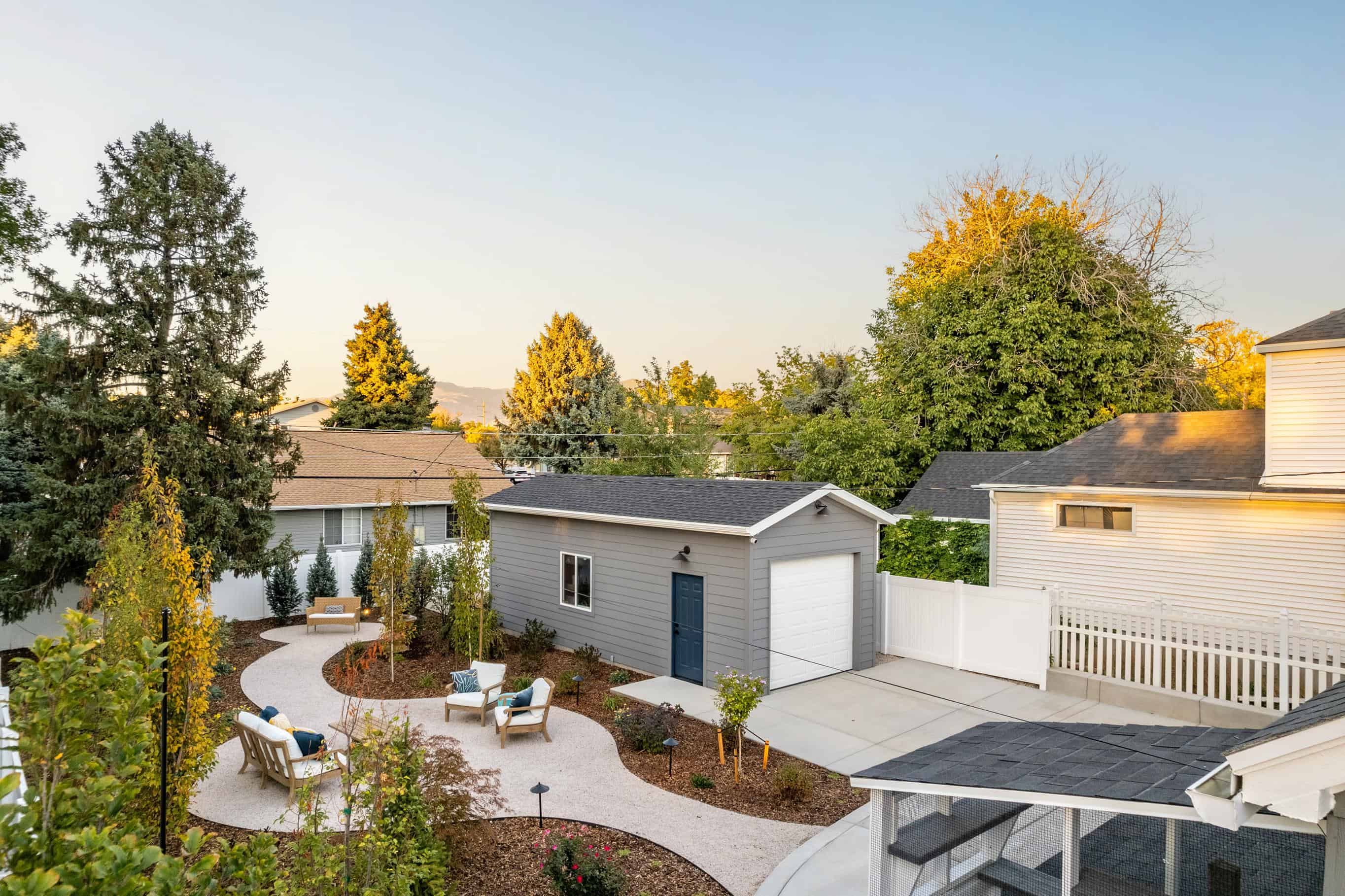
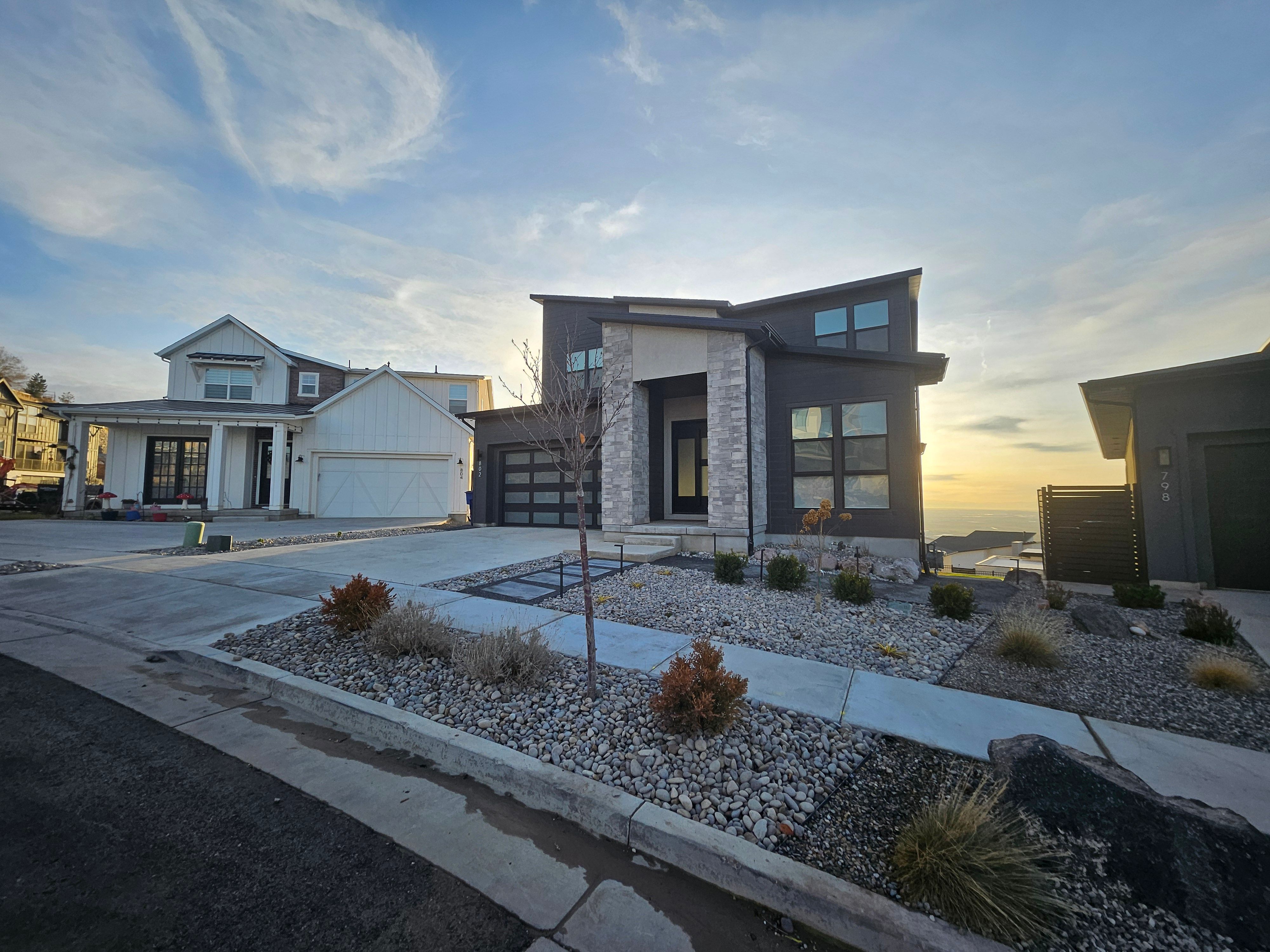
Softscape refers to the groundcover and bedding materials that aren’t grass. We lay bark, mulch, chat, gravel, granite and other rock to define garden beds and create walking paths. These materials suppress weeds, conserve soil moisture and support xeriscaping principles, reducing maintenance and irrigation. A crisp mulch edge or smooth gravel path is the finishing touch that makes your landscape feel intentional.
Impact & Investment
Plants and softscapes often account for up to 30% of a landscape project’s budget, and they’re what make a design pop. A well‑chosen evergreen hedge, flowering tree or ornamental grass provides structure and color, while complementary mulch or gravel ties everything together. Thoughtful selection and placement in your Utah garden create a cohesive look and deliver lasting value.
Customer Reviews
Very impressed with the quality of work with Pitt landscaping. They were efficient, friendly and did a great job communicating with me on details and deadlines. I highly recommend them!
We went with Pitt after dealing with a disaster of a contractor for 8 months. They got our yard fixed and completed in a very reasonable amount of time. The estimate was accurate and we received regular change order invoices to keep us up to date and…
Pitt did a great job changing our back yard from dead grass and roses to a modern water wise layout. They communicated well and we're pleased with the work. However, the planting has been a huge disappointment. A good 20% of the plants didn't make it…
*edit* The issue with the supplier was fixed. However we did have a lot of communications issues between contractor, us, and those actually doing the work. End result was fine but a lot of hiccups
Pitt Landscape was the #2 low bidder on a small park strip excavation project. The company is very well organized and the contracting and close out process is so smooth. I would use them again!
Project Gallery by County
Browse recent work grouped by county. Expand any section to see additional photos and jump into the full gallery for that service.
129 project photos in this county
53 project photos in this county
13 project photos in this county
Frequently Asked Questions
How often should I water newly installed plants and sod in Utah?
How long does it take for new plants to establish after installation?
How do I care for new sod in Utah after installation?
Ready to Start Your Plants and Softscape Project?
tell us more about your plants and softscape project — we'll connect you with a local specialist.