Pitt Landscape and Construction

General Contractors License (B-100): 10894545-5501

CallTextContact
1 / 6

Landscape Design

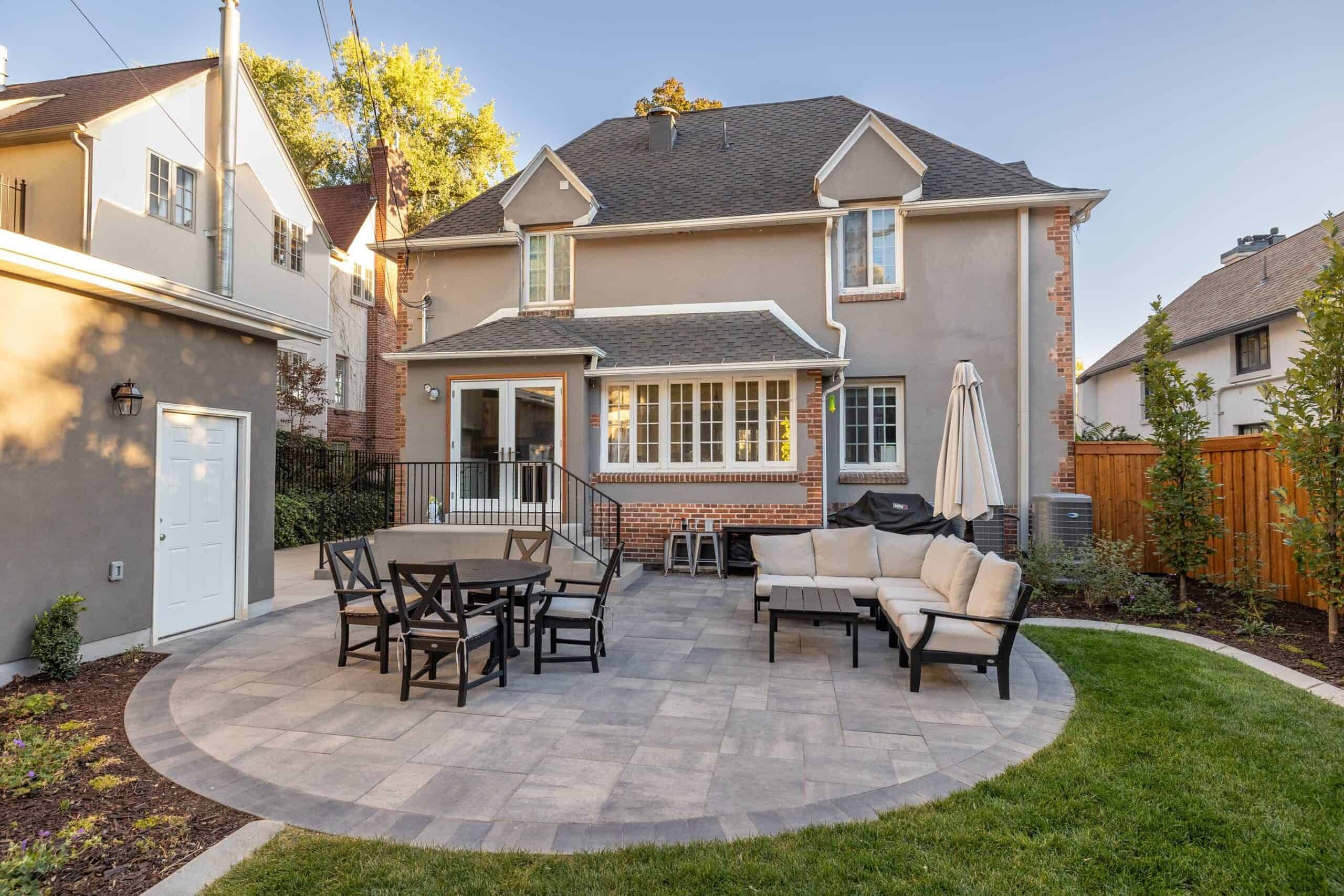
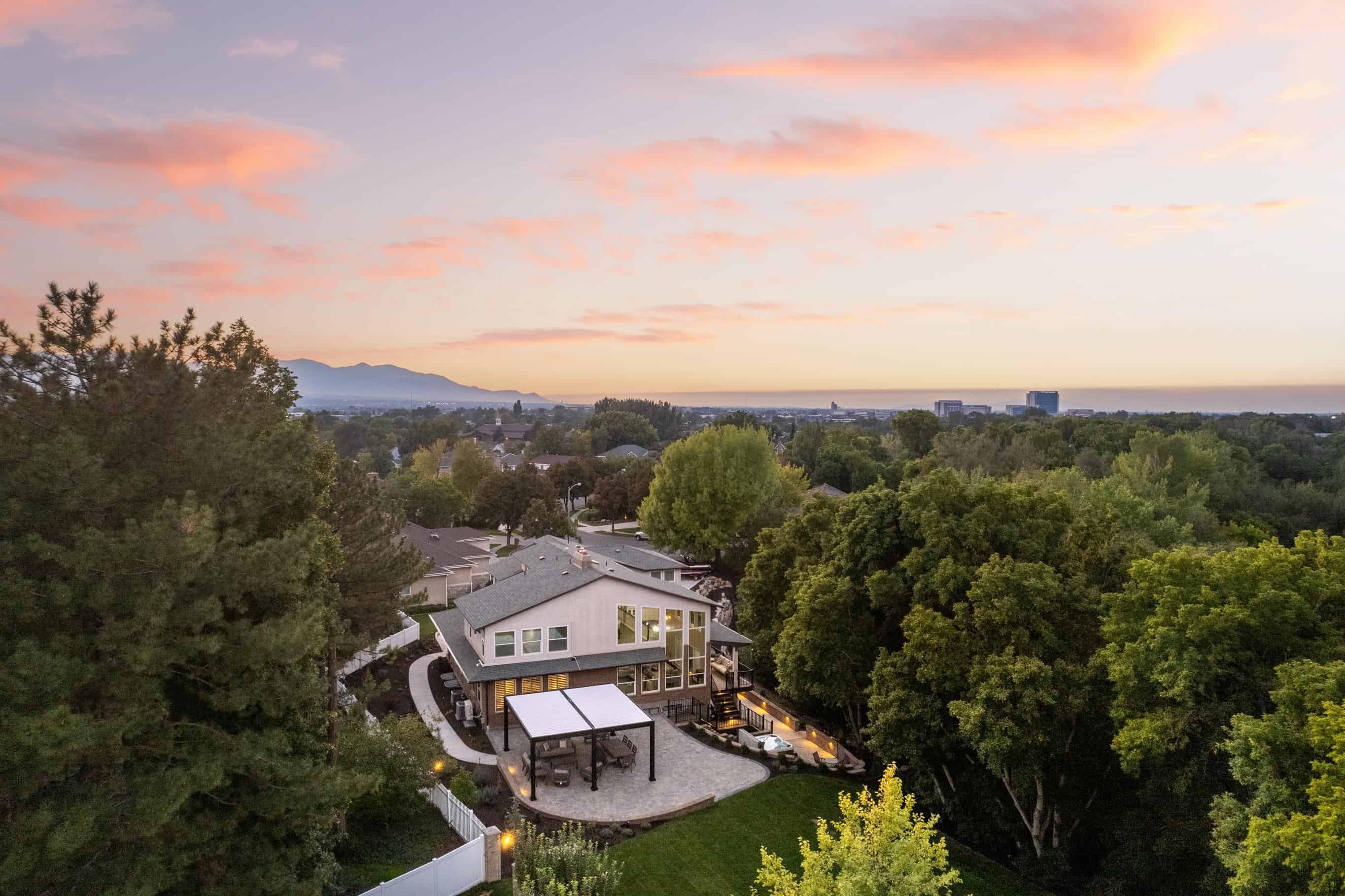
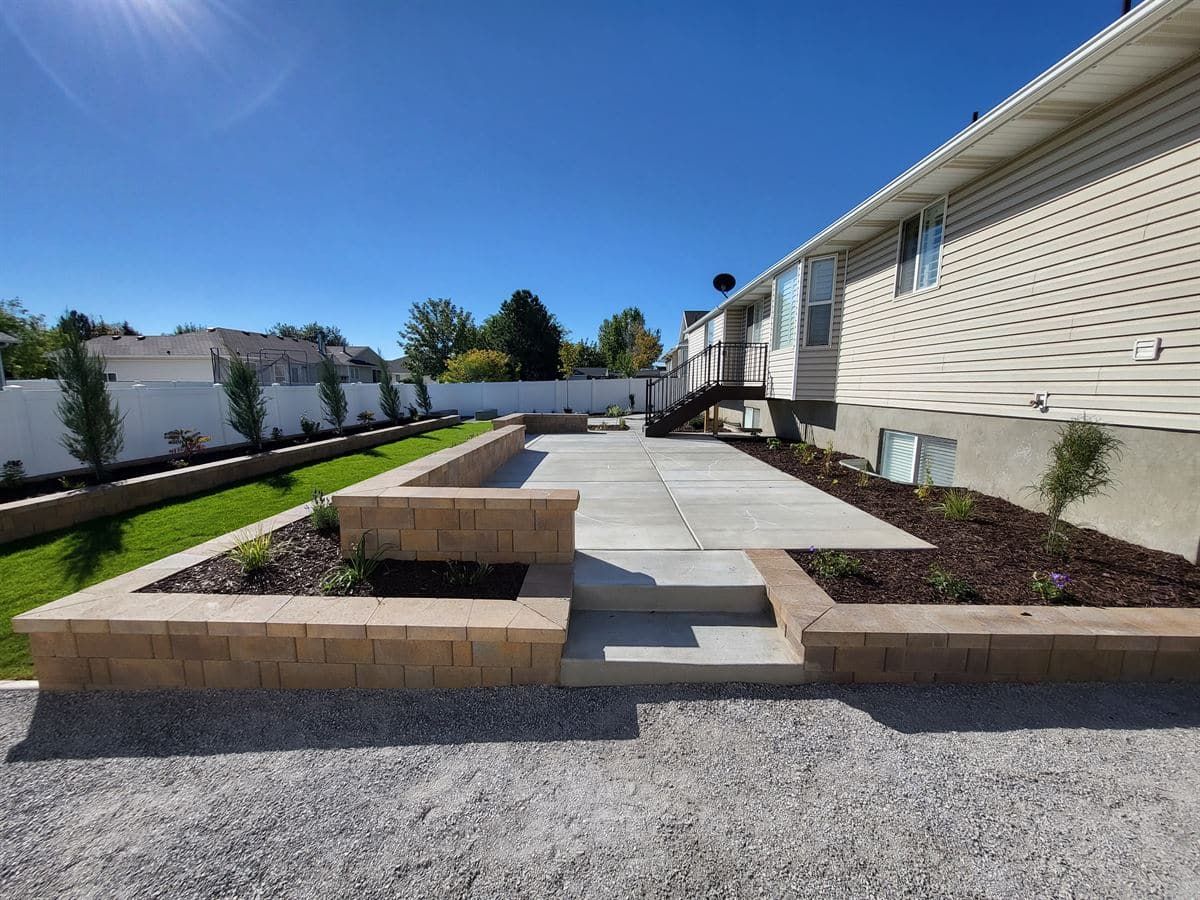
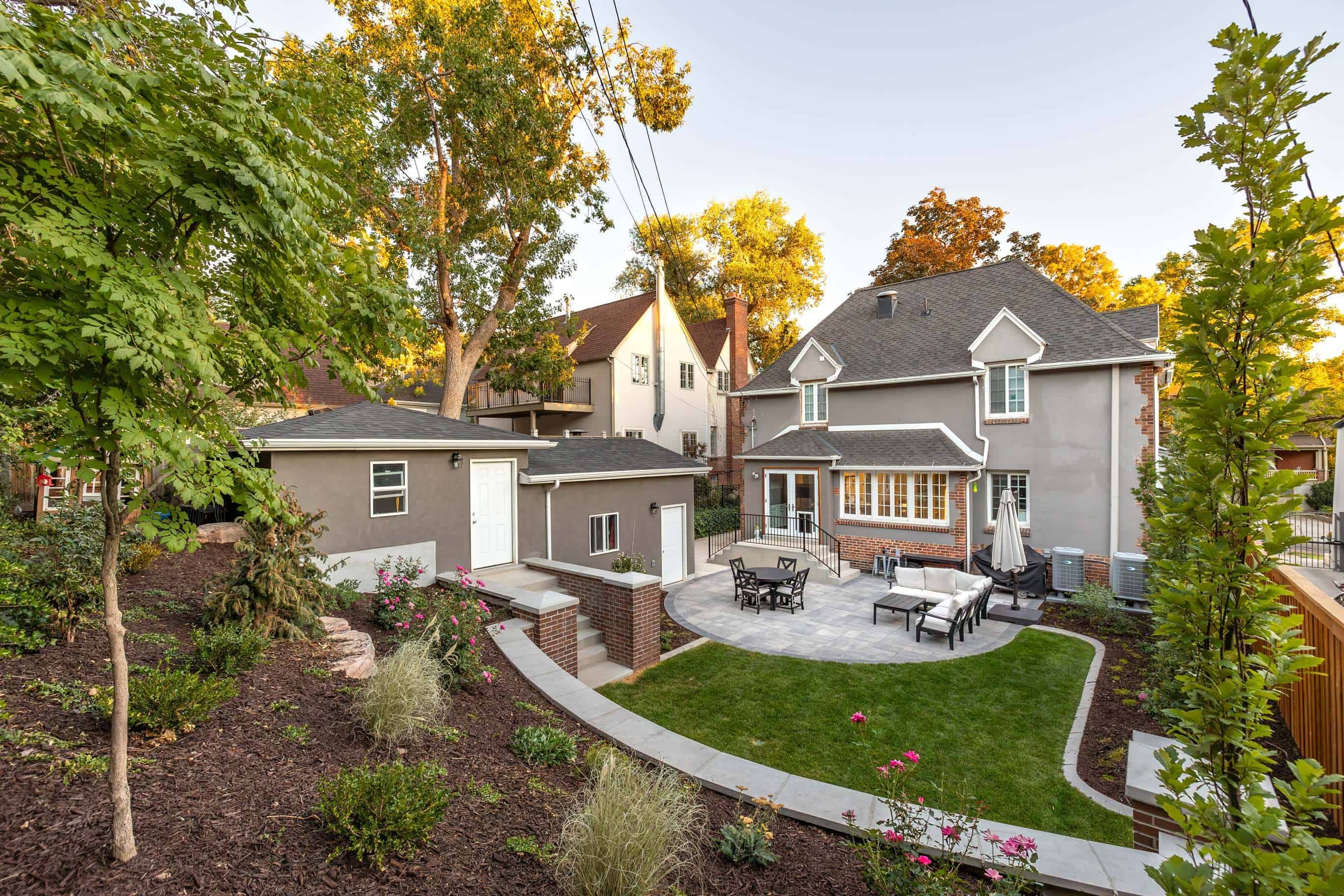
We design it and we build it. Full-scope landscape installation across the Salt Lake Valley — concrete, retaining walls, pavers, irrigation, and softscape, all under one licensed team and one contract.

Landscape Design in Utah - Our Project Impact

Pitt Landscape has delivered 418 sold landscape design projects across Utah since February 2021, with especially strong activity in Salt Lake County, Davis County and Utah County. That kind of repetition builds the judgment and field experience people want when the work really matters.

These are some of the services people explore most inside Landscape Design. You can dive deeper through the service cards below.

4.9 / 5from 30 reviewsLandscape Design reviews

Design-Build Landscape Installation — Not Design-Only

There are two types of landscape design firms: those that design and hand plans off, and those that design and build. Pitt Landscape & Construction is the second type. Our design process produces plans we install ourselves. Every grading decision, every retaining wall layout, every irrigation zone — designed with full knowledge of what it takes to build it correctly in Utah's specific climate and soil conditions.

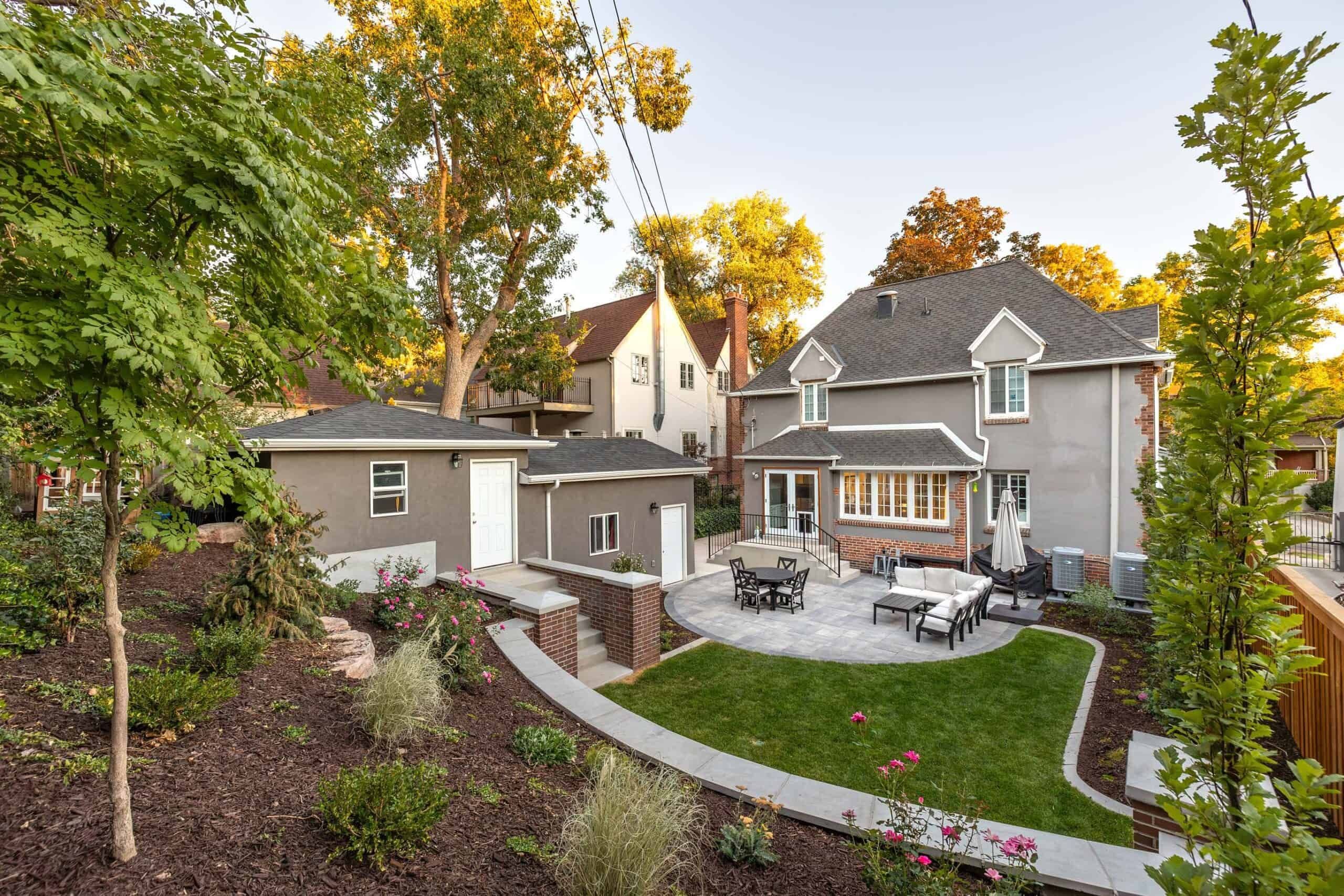
The practical difference for you as a client: one team to coordinate, one contract, and no translation errors between the designer's intent and the installer's execution. When a landscape project has concrete flatwork, a retaining wall system, pavers, full irrigation, and softscape all designed and installed together, the result is a coherent property — not a collection of features added by different crews.

Services We Offer

Explore our full range of specialized services under this category. Each card highlights a unique service with key metrics to help you understand our experience and expertise.
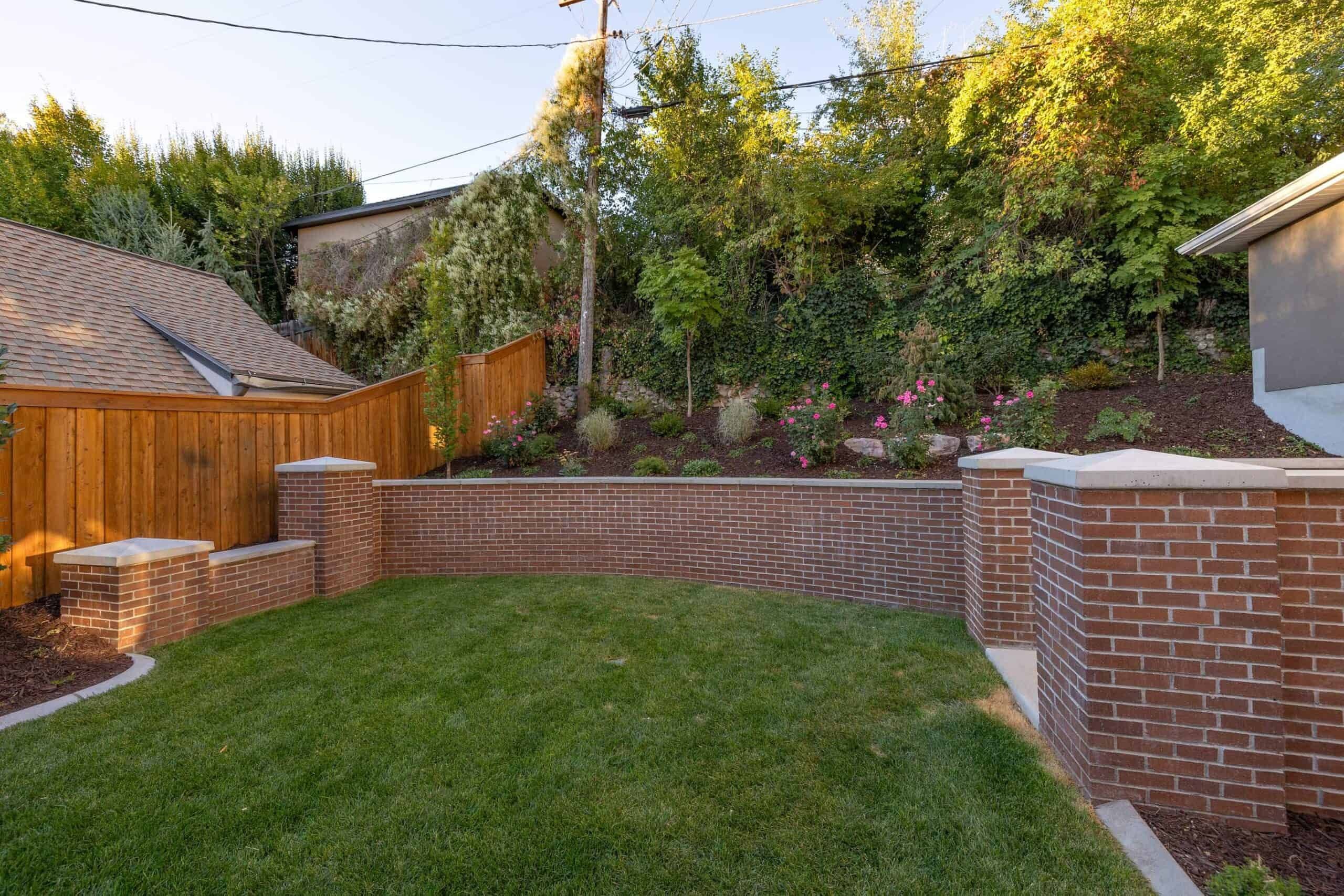
Retaining Walls

Retaining Walls

Full-service retaining wall design, permitting, and installation across the Salt Lake Valley. We handle the whole project — one crew, one contract.

Sold estimates: 118

Sold revenue: $1,161,455

Avg ticket: $9,843

Xeriscaping

Xeriscaping

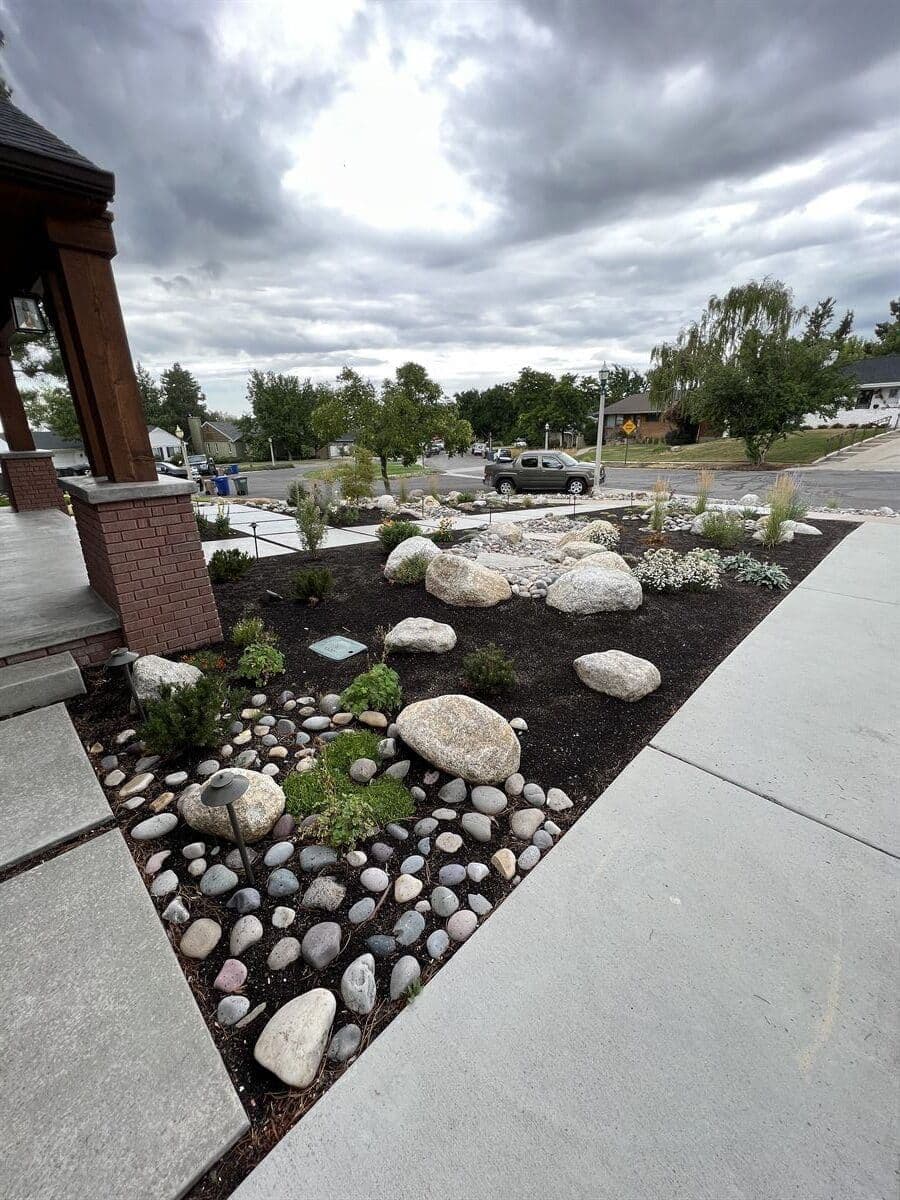
Custom Xeriscaping Design & Installation. Create a sustainable oasis with our efficient xeriscaping solutions. We specialize in designing and installing drought-resistant landscapes that require minimal water and maintenance. Save money on your water bill while still having a beautiful outdoor space.

Sold estimates: 43

Sold revenue: $409,174

Avg ticket: $9,516

Concrete Contractors

Concrete Contractors

Full-service concrete design and installation across the Salt Lake Valley — patios, driveways, walkways, and decorative finishes. One crew, one contract.

Sold estimates: 170

Sold revenue: $1,397,702

Avg ticket: $8,222

Landscape Architecture

Landscape Architecture

Expert Custom Landscape Architecture & Landscape Design in Utah. Transform your outdoor space into a masterpiece. Our experienced team will work with you to create a unique and customized residential landscaping design that fits your vision and budget. From conception to completion, we will guide you every step of the way.

Sold estimates: 84

Sold revenue: $150,072

Avg ticket: $1,787

Plants and Softscape

Plants and Softscape

Bring your landscape to life: plants, softscape materials and expert design.

Sold estimates: 160

Sold revenue: $1,426,564

Avg ticket: $8,916

Pavers Installation

Pavers Installation

Custom paver installation across the Salt Lake Valley — patios, driveways, walkways, and pool decks. One crew designs and installs the full project.

Sold estimates: 80

Sold revenue: $633,942

Avg ticket: $7,924

Where we deliver landscape design projects

Explore recent work, drill into top counties, and jump directly to the area pages that matter to you.

County Summary

Salt Lake CountySold Jobs: 440
Sold Revenue
$7,649,153
Avg. Ticket
$17,384
Utah CountySold Jobs: 39
Sold Revenue
$1,245,270
Avg. Ticket
$31,930
Davis CountySold Jobs: 56
Sold Revenue
$1,179,439
Avg. Ticket
$21,061
Grand TotalSold Jobs: 553
Sold Revenue
$10,380,773
Avg. Ticket
$18,772

What Landscape Design & Installation Covers

Our landscape design and installation practice covers the full range of hardscape and softscape work that transforms a property. On the hardscape side: concrete flatwork (patios, driveways, walkways, pool decks), retaining walls (interlocking block, natural stone, concrete), paver systems, and drainage. On the softscape side: trees, shrubs, perennials, sod, and xeriscape-appropriate planting. Supporting systems: irrigation design and installation, outdoor lighting, and grading.

Landscape architecture — the engineered design drawings — is included in our process wherever the site requires permitted work. Retaining walls over four feet in Utah typically require engineered drawings. Our general contractor license allows us to produce and permit those drawings without subcontracting to a separate architect.

Customer Reviews

Average rating: 4.9 / 5 (30 reviews)
Austin Taylor★★★★★

Pitt Landscape was the #2 low bidder on a small park strip excavation project. The company is very well organized and the contracting and close out process is so smooth. I would use them again!

Nicolien Magrath Bongaerts★★★★★

We had a great experience with Pitt Landscape! After receiving a number of bids to tear out our old, collapsing asphalt driveway and replace it with geocells and gravel, not to mention, a pretty steep retaining wall, we went with Pitt because they fe…

Chad Holbrook★★★★★

We had an excellent experience working with Pitt Landscape. From start to finish, their professionalism stood out. They did a great job creating and executing a landscape design that balanced their expertise with my ideas. They listened carefully, o…

Shanthrax M★★★★★

Pitt was absolutely amazing. They took the design and brought it to life, with a very difficult back yard project that required a lot of changes. They kept to cost (even came down in a couple of places) and were remarkably fast. My back yard is now a…

Dave Pomeranz★★★★★

Pitt Landscape planted a forest in our front yard and gravel driveway addition in the Fall, and then demolished concrete and laid a new lawn in our backyard with stone stairs and a new path in the Spring. They did an amazing job, were always friendl…

Designing for Utah: Soil, Climate, and Water

Utah landscapes fail — or succeed — based on decisions made during design, not installation. The three conditions that determine long-term performance in the Salt Lake Valley:

Freeze-thaw cycling. Ground temperatures in the valley swing from single digits in January to 95°F+ in July. Concrete, paving, and retaining structures that are not properly detailed for this range will fail within a few years. We specify freeze-thaw-rated concrete mixes, appropriate base depths, and compaction standards for every hardscape installation.

Clay-dominant soil. Much of the valley has tight clay soil that drains poorly and expands when wet. Drainage routing and base preparation are engineering decisions, not afterthoughts. Getting them wrong results in settling, frost heave, and water intrusion against structures.

Drought and water restriction. Utah's watering restrictions are increasingly strict, and water costs are rising. Irrigation systems designed with zone sequencing, cycle-soak programming, and xeriscape-appropriate plant selection reduce water use and keep the landscape healthy through dry seasons without constant manual intervention.

Starting Your Landscape Design Project

Every landscape design-build engagement at Pitt Landscape & Construction begins at your property. We assess your site conditions — existing grade, drainage patterns, access constraints, and current hardscape — then discuss your goals and produce a design that addresses all of them before any installation begins.

We have completed more than 450 standard-scope landscape projects across the Salt Lake Valley since 2007, representing over $10 million in completed landscape work. Our service areas include Salt Lake City, Sandy, Draper, South Jordan, Murray, Riverton, Herriman, Holladay, Cottonwood Heights, Millcreek, Bountiful, Farmington, Lehi, and Park City. Contact us to schedule a consultation for your property.

Frequently Asked Questions by Service

Have questions? Browse common questions by service. Expand a section to preview answers, then jump into the full service page for more details.

Concrete Contractors
How thick should a concrete patio be in Utah?
We pour residential patios at 4 inches thick minimum, with 5–6 inches in areas with heavy foot traffic or expected vehicle access. Driveways are 5–6 inches standard. Thickness alone doesn't determine longevity — base depth and compaction matter as much as the slab itself. We spec both correctly on every project.
How long does concrete last in the Salt Lake Valley?
A properly installed concrete slab with air-entrained mix, adequate base, and control joints lasts 30–50+ years in Utah. The main failure modes — spalling from freeze-thaw and random cracking from shrinkage — are preventable with correct materials and installation. We've maintained and repaired concrete from our early projects dating back to 2007.
What's the difference between stamped and exposed aggregate concrete?
Stamped concrete uses textured forms to imprint a stone, brick, or wood pattern into fresh concrete, then adds color through stain or integral pigment. It looks striking but requires resealing every 2–4 years to protect the surface layer. Exposed aggregate seeds decorative stone into the surface and washes away the paste to expose it — the result is naturally textured, slip-resistant, and more durable in Utah's freeze-thaw climate because there's no surface coating to degrade. Both are good options; we'll recommend based on your exposure and maintenance preference.
Fire Pits
Do you install gas fire pits in Salt Lake Valley?
Yes. Gas fire pit installation is one of our most requested outdoor living services across Draper, Sandy, South Jordan, Murray, and the broader Salt Lake Valley. We run new gas lines where needed, handle permits and inspections, and install the complete fire pit including burner, igniter, and decorative media. We coordinate with the gas utility and local building department as part of our standard process.
Are wood-burning fire pits allowed in Salt Lake Valley?
Wood-burning fire pits are allowed on most days, but Utah's air quality action day system restricts open burning during Red and Yellow days — which are common in winter. Most HOA communities in Draper, South Jordan, and Herriman also restrict or prohibit wood-burning features. Gas fire pits are not subject to air quality restrictions and are allowed by most HOAs. We review your specific city and HOA requirements during the estimate.
How much does a fire pit installation cost?
A standalone gas fire pit installed by Pitt Landscape typically runs $3,500–$9,000 depending on size, ignition type, and materials. Most of our fire pit projects also include a surrounding paver patio or seating walls, which brings the total to $12,000–$30,000+ for the complete outdoor living space. The best way to get an accurate number is a free on-site estimate — we'll measure your space and give you a fixed price.
Landscape Architecture
How can I increase my property's value with landscape design?
A well-designed landscape architecture improves aesthetics, functionality, and energy efficiency, all of which increase your property’s value.
How do I get started with a landscape consultation or design project?
Simply contact us via our website or call to schedule a consultation. We’ll discuss your landscape architecture goals, budget, and timeline to create a custom plan.
How do you ensure the quality of your landscaping materials?
We source materials from trusted suppliers and ensure they meet the highest standards for durability and aesthetics.
Landscape Lighting
Do you offer low-voltage landscape lighting systems?
Yes. We design and install low-voltage landscape lighting systems that are energy-efficient, reliable, and well-suited for residential properties. Low-voltage systems allow for precise fixture placement and layered lighting without overpowering the space. Each system is thoughtfully planned to complement your landscape design and provide long-term performance.
Can landscape lighting be added to an existing yard?
Yes. Landscape lighting can be integrated into existing landscapes or included as part of a larger design-build project. When added to an established yard, we evaluate access, planting, and hardscape conditions to ensure clean installation and proper wire concealment. Our goal is to enhance the space without disrupting existing features.
How long do LED landscape lighting fixtures last?
High-quality LED landscape lighting fixtures are designed for long-term durability and energy efficiency. Most professional-grade LED fixtures provide many years of reliable performance when properly installed and maintained. We select fixtures and components that are appropriate for outdoor conditions and ensure transformers and wiring are sized correctly for the system.
Pavers Installation
How long do pavers last in Utah's climate?
Properly installed concrete pavers last 30–50+ years in Utah. The key is the base: 8–10 inches of compacted road base prevents settling, and edge restraints prevent spreading. Individual pavers that crack or stain can be replaced without touching the rest of the surface. We've maintained and repaired paver installations from the early 2000s that are still performing well.
Can you install pavers over an existing concrete patio?
Yes, with conditions. If the existing concrete is structurally sound (no major cracks or heaving), we can overlay pavers on top using a mortar or thin-set installation. This adds height, so door clearances and drainage need to be evaluated. If the concrete is in poor condition, we recommend removal and a proper paver base install. We'll assess your slab during the estimate.
What paver brands do you work with?
We primarily work with Belgard, Unilock, EP Henry, and Techo-Bloc — all available through local Utah distributors. We can also source pavers from specific manufacturers if your HOA requires a particular product. We'll help you navigate HOA materials lists and select a style and color that fits your home.
Plants and Softscape
How often should I water newly installed plants and sod in Utah?
The first 2–4 weeks after installation are the most critical. Newly installed sod should be watered daily (sometimes twice daily in summer heat) for the first 2 weeks until roots establish into the soil below. After that, reduce to every other day, then transition to a regular schedule based on weather and season. Newly installed trees and shrubs need deep, infrequent watering rather than frequent shallow watering — target 2–3 times per week for the first season, allowing the root zone to dry slightly between waterings. Overwatering is as damaging as underwatering for woody plants; consistently saturated soil promotes root rot. Utah's clay soils drain slowly — adjust cycle-soak programming to match your soil's infiltration rate rather than running all the water at once.
How long does it take for new plants to establish after installation?
The general rule for woody plants (trees and shrubs) is one year of active establishment per inch of trunk diameter at planting time. A 2-inch caliper tree takes roughly 2 years before it is fully self-sufficient. During that period, the plant is investing energy in root system development rather than top growth — it may look the same or even smaller than at planting while the roots spread below. Signs of successful establishment: new growth during the growing season and the ability to handle a few missed waterings without wilting. Annuals and perennials establish much faster — typically within one growing season. Sod is typically rooted enough to mow within 3–4 weeks in summer.
How do I care for new sod in Utah after installation?
For the first 2 weeks: water daily to keep the sod consistently moist — the root zone should never fully dry out. Avoid foot traffic and mowing during this period. After 2 weeks, test whether the sod has rooted by gently tugging a corner — if it resists pulling up, it is rooting. Begin reducing watering frequency. First mow: wait until the sod is rooted and has reached 3.5–4 inches in height. Set the mower to its highest setting for the first cut — never remove more than one-third of the blade length at a time. In Utah summers, keep bluegrass and fescue lawns at 3–4 inches to reduce heat stress and water demand. Fertilize in fall and spring, not during summer heat.
Retaining Walls
Do I need a permit for a retaining wall in Herriman Utah?
Yes, a permit may be required for a retaining wall in Herriman, Utah, depending on the height of the wall and what it supports. According to the City of Herriman, a building permit is required for any retaining wall that has 4 feet or more of unbalanced fill behind it. A permit is also required for retaining walls of any height if the wall is supporting a surcharge, such as a driveway, structure, fence, or other load. Retaining walls that are under 4 feet in height and do not support a surcharge typically do not require a permit. However, requirements can vary based on site conditions, including drainage, slope, property lines, and easements. Homeowners should always verify permitting requirements with the City of Herriman before construction. Source: https://www.herriman.gov/retaining-wall
Do you need a permit for your Retaining wall in Salt Lake City?
Yes, per the Salt Lake City building services, retaining walls and fences require permits (https://www.slc.gov/buildingservices/building-permits/faqs/)
Do you handle permits for retaining walls in Utah?
Yes. Walls over 4 feet in height typically require a building permit in Salt Lake County municipalities including Draper, Sandy, South Jordan, and Murray. We handle permit applications, engineering documentation where required, and inspection scheduling. Permit costs vary by city and are included in our proposal.
Sprinkler Installation
Does Eagle Mountain have a secondary water system?
Yes, Eagle Mountain is beginning to implement a secondary (pressurized irrigation) water system for sprinkler systems, but availability is currently limited. As of late last year, Eagle Mountain started rolling out secondary water infrastructure in select areas. This system is being installed primarily in new subdivisions as they are developed. Not all existing neighborhoods have access to secondary water, and availability depends on whether the subdivision was designed and approved with secondary water service. For homes in newer developments, sprinkler systems may be connected to secondary water if the infrastructure is in place. In established neighborhoods, irrigation systems typically remain connected to culinary water unless future expansion occurs. Because the secondary water system is still expanding, homeowners should confirm availability with the city or their subdivision developer before planning or modifying a sprinkler system.
Do you design the sprinkler system or just install it?
Both. We design the zone layout based on your property — sun exposure, plant types, soil, and water pressure — and then install the system ourselves. You're not buying a design and handing it to someone else to install. The same crew that maps your zones installs them, which means the design actually matches the reality of your property.
What smart controllers do you install?
We primarily install Rachio and Hunter Hydrawise smart controllers. Both connect to local weather data and adjust run times automatically — if it rained yesterday, the system skips today's schedule. Rachio integrates with most smart home systems and is easy for homeowners to manage from their phone. Hydrawise is a contractor-grade option with more zone capacity for larger properties. We'll recommend the right fit for your system size and how involved you want to be in day-to-day management.
Water Features
What type of water feature is best for the Salt Lake Valley?
For most Salt Lake Valley homeowners, a pondless waterfall is the best fit. You get the full sound and visual impact of a waterfall without the algae management, mosquito risk, or drowning hazard of an open pond. Pondless features are also easier to winterize in Utah's climate — drain the reservoir, pull the pump, and you're done for the season. Koi ponds are excellent for clients who want a living ecosystem and are prepared for the maintenance commitment. We'll walk you through both options during your estimate.
How do you winterize a water feature in Utah?
For pondless waterfalls, winterization takes about an hour: drain the reservoir, remove and store the pump, clean the basin of leaves and debris. We offer this as a recurring service each fall. For koi ponds, winterization is more involved — adjusting aeration, reducing feeding as temperatures drop, and monitoring water chemistry through the cold months. We design every water feature with winterization in mind from the start so the process is straightforward rather than a seasonal ordeal.
How much maintenance does a water feature require?
A pondless waterfall requires 2–3 hours of total maintenance per season: spring startup and filter cleaning, mid-season debris clearing, and fall winterization. A koi pond requires significantly more — weekly skimming, filter cleaning every 2–4 weeks, and water chemistry monitoring. We're honest about these expectations during the estimate process so you select the right feature type for your lifestyle and available time.
Xeriscaping
Are your landscaping designs sustainable?
Yes, we specialize in sustainable landscaping, including xeriscaping and water-wise designs that conserve resources and reduce maintenance costs.
What is xeriscaping, and how can it help save water?
Xeriscaping is a landscaping method that uses drought-tolerant plants and efficient irrigation systems to conserve water while maintaining beauty.

Ready to Start Your Project?

tell us more about your project — we'll connect you with a local specialist.