Pitt Landscape and Construction

General Contractors License (B-100): 10894545-5501

CallTextContact
Hero background
Bathroom Remodeling in Summit County

Serving Utah since 2007. A Utah B-100 licensed general contractor, with a free consultation and line-item pricing.

Contact Now!

Serving Utah since 2007

Bathroom Remodeling in Summit County from Pitt Landscape, serving Utah since 2007, with a free consultation and line-item pricing.

Planning a Bathroom Remodel in Summit County

A bathroom remodel can be as simple as new fixtures and tile or as involved as a new layout with a walk-in shower. We are a licensed and insured Utah B-100 general contractor. We have served Utah since 2007. Your remodel is priced line by line in one estimate, so you can see what each part costs before you decide. Every remodel starts with a free consultation: a full estimate for the work with up to two revisions, and a visit to measure when the scope needs it. Bring photos of bathrooms you like and a list of what bothers you about the one you have. Design can be its own line in your estimate.
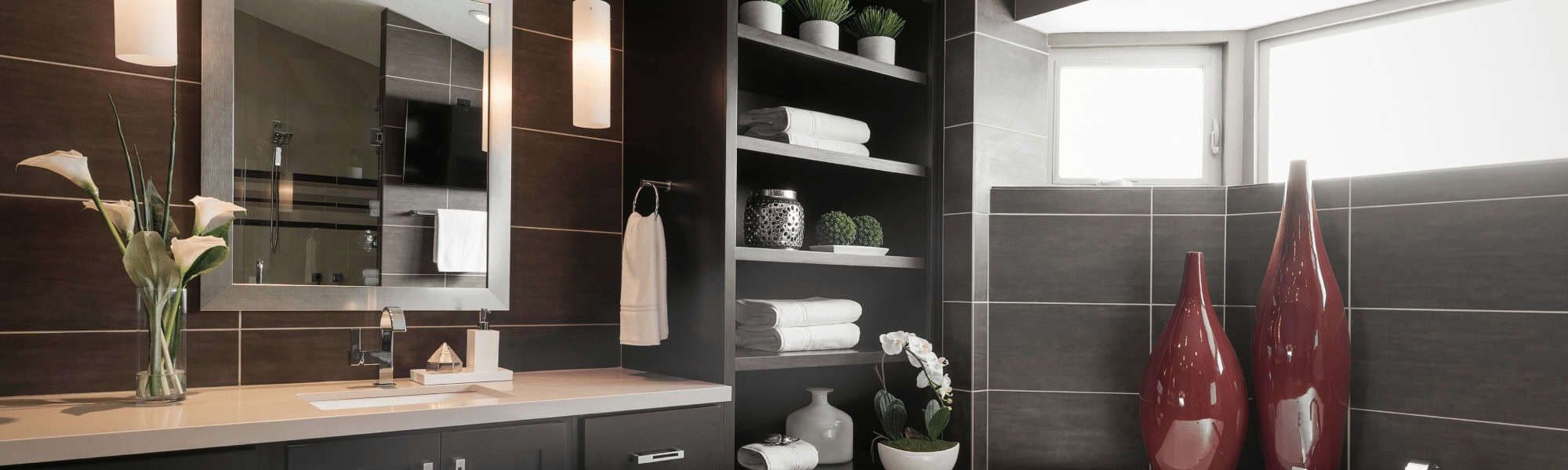
Bathroom with dark wall tile, a floating vanity, open shelving and tall red vases

What Summit County projects include

Most of our Summit County projects began with site preparation, half included concrete, and more than a third had design priced in the same estimate. Others added retaining walls, new sprinklers, a deck, a fire pit, pavers, landscape lighting or xeriscaping. We obtain the permits your project needs.

Project Gallery Overview

Browse real project shots grouped by service. Each card shows a service—tap to explore that service in detail.

Bathroom Remodeling FAQs for Summit County

Common questions about Bathroom Remodeling in Summit County.

When can I use my bathroom after a remodel?
Most of your remodeled bathroom is ready to use right away, with a few short-term precautions. If caulk or grout was just installed, let it cure before showers or baths: follow the time on the product, often about 24 hours for silicone caulk and longer for cement grout. Don't hang heavy items on new towel bars or accessories right away; give the anchors and adhesives time to set. Paint takes a few weeks to fully harden, so until then clean painted surfaces with a soft cloth rather than an abrasive sponge.
How do I prevent mold in a remodeled bathroom?
The primary defense against mold in a bathroom is ventilation. Run the exhaust fan during every shower and for at least 15–30 minutes afterward to remove moisture-laden air before it condenses on surfaces. Keep the exhaust fan grille clean — a clogged grille significantly reduces airflow. If you don't have a timer on the fan, adding one (available at any hardware store) ensures it runs long enough after you leave the bathroom. Secondary: maintain caulking around the tub, shower, sink, and backsplash. Failed or cracked caulking allows water intrusion behind tile surfaces — the hidden moisture is where mold grows. Inspect caulk annually and replace any cracked or separated sections promptly. Keep tile and grout surfaces dry between uses where possible.
How do I clean and maintain bathroom tile and grout?
Use mild, non-abrasive tile cleaners, and avoid acidic cleaners (vinegar, citrus-based products) on natural stone tile, as acid etches stone surfaces. For porcelain and ceramic tile, a simple diluted dish soap solution is effective for routine cleaning. Grout: clean with a soft brush and mild cleaner. Cement grout is porous and can stain; sealed grout resists staining but should be re-sealed every one to three years depending on use and wear. If grout becomes consistently darker or discolored in one area despite cleaning, moisture intrusion may be the cause, and the caulking or waterproofing in that area needs a closer look. Never use a pressure washer on interior tile.
How do I maintain the caulking in my remodeled bathroom?
Caulking is the sacrificial seal between hard surfaces: between the tub and tile wall, between the tile floor and tub base, around the sink and backsplash perimeter. It is designed to flex with normal building movement and to be replaced when it fails. Inspect caulk joints annually: look for cracking, separation from the surface, or discoloration (black or pink tinting indicates mold or bacteria). Replace failed caulking promptly; water intrusion behind tile surfaces is invisible until it becomes a significant problem. To re-caulk: remove all old caulk completely using a caulk removal tool, clean and dry the joint thoroughly, apply new 100% silicone caulk (not acrylic-latex for wet areas), tool smooth, and allow 24 hours cure before water exposure.

Why Choose Pitt Landscape & Construction?

Every job starts with a line-item estimate, so you see demolition, plumbing, tile, the vanity and fixtures on separate lines. As one client put it: “They provided a detailed estimate/budget with every service priced competitively.” Bathroom work that moves plumbing or wiring usually needs a permit; check with your city. We obtain the permits your project needs.

Ready to Start Your Bathroom Remodeling Project?

Tell us more about your bathroom remodeling project.

You can search for your address to auto-fill the fields below, or simply enter your address details manually.