Pitt Landscape and Construction

General Contractors License (B-100): 10894545-5501
CallTextContact
Federal Heights Landscape Services
Landscape Design & Construction Services in Federal Heights

Full-service, locally owned, outdoor transformation specialists.

Our work in Federal Heights

Since 2021, Pitt Landscape has been hired for 5 projects in Federal Heights that are now complete.

  • Pavers Installation

    2 completed projects, 2023–2024
  • Retaining Walls

    2 completed projects, 2023–2024

  • Site Preparation

    2 completed projects, 2023–2024

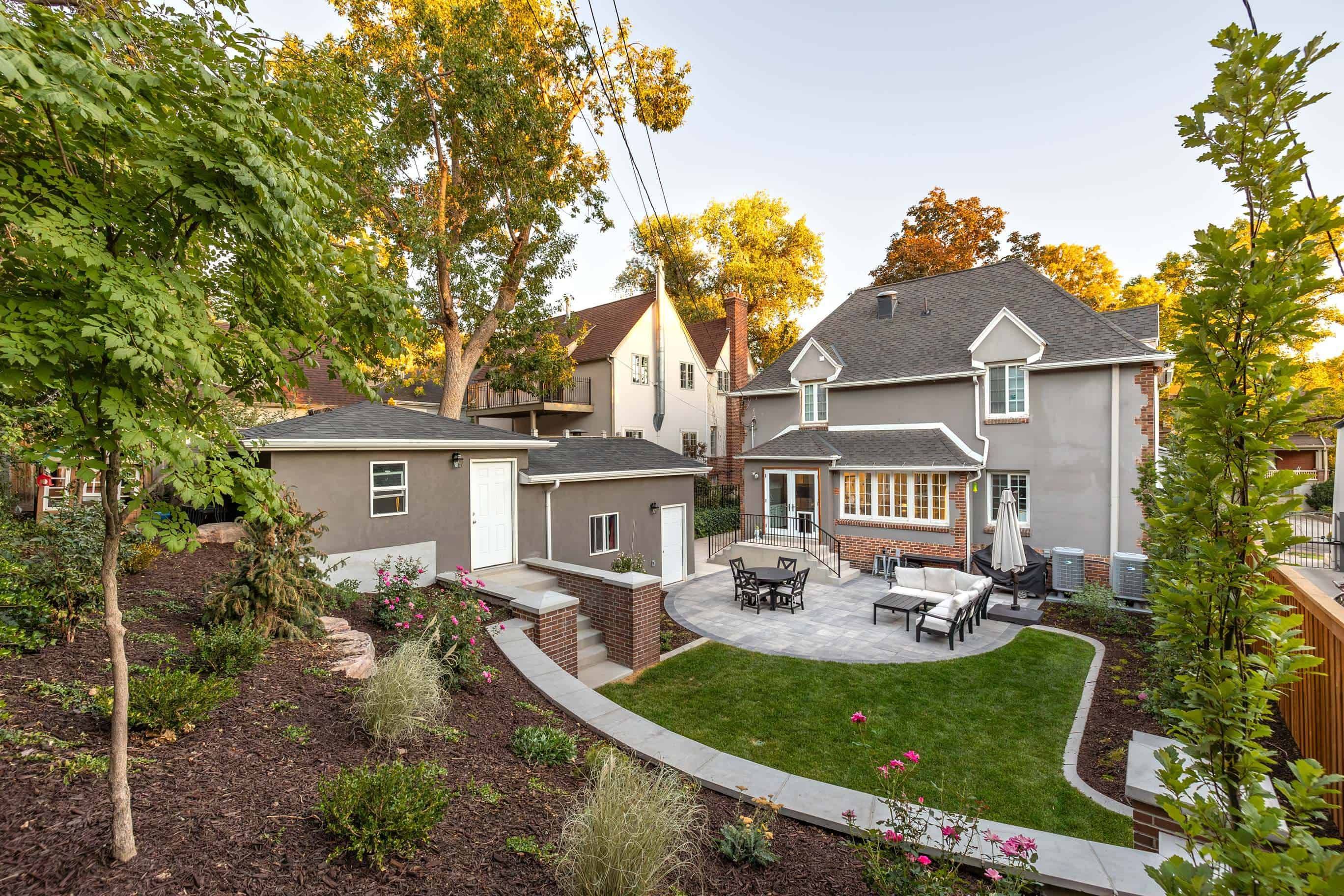
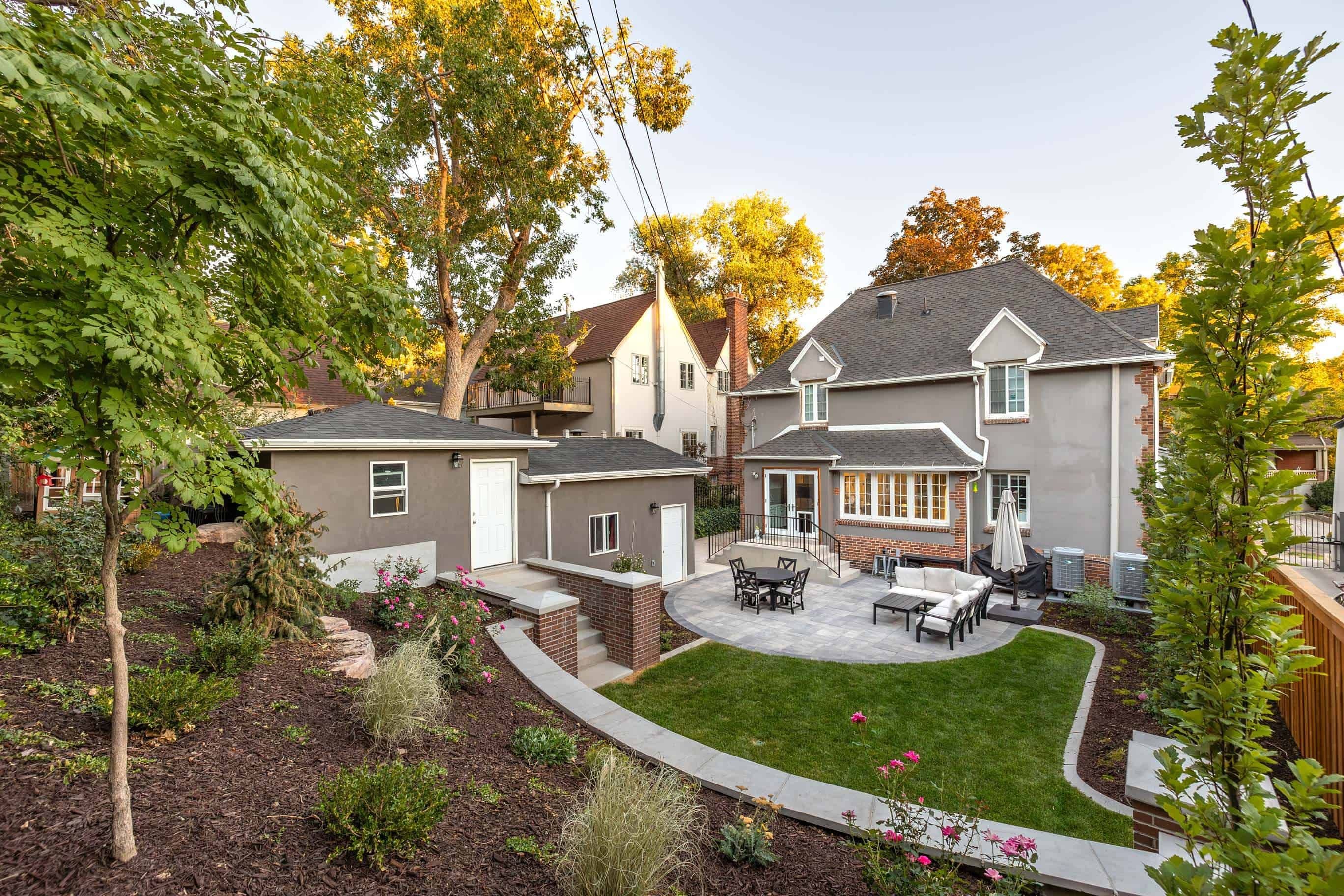
Completed backyard landscape with a curved concrete patio, lawn, brick retaining walls, and layered garden planting.
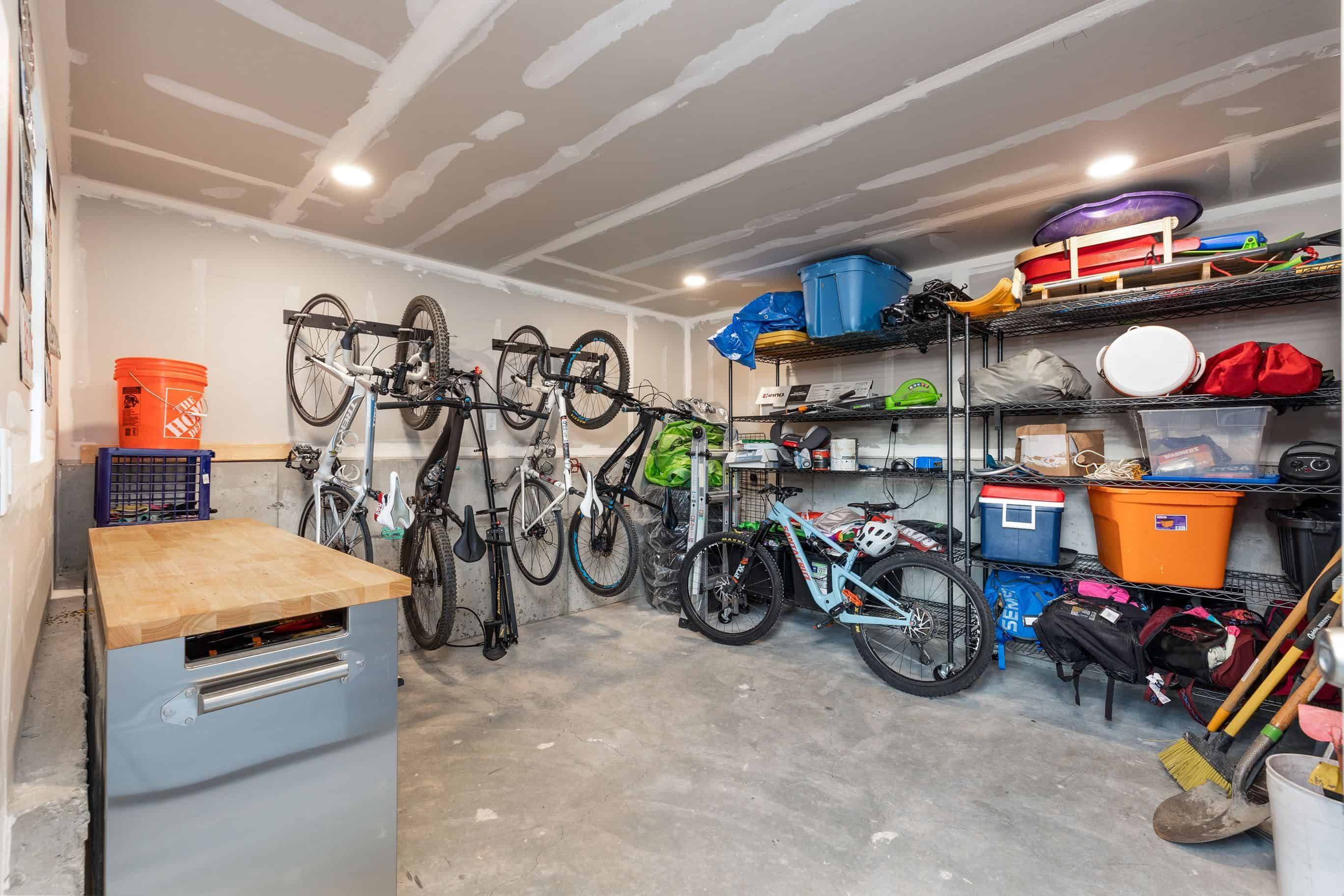
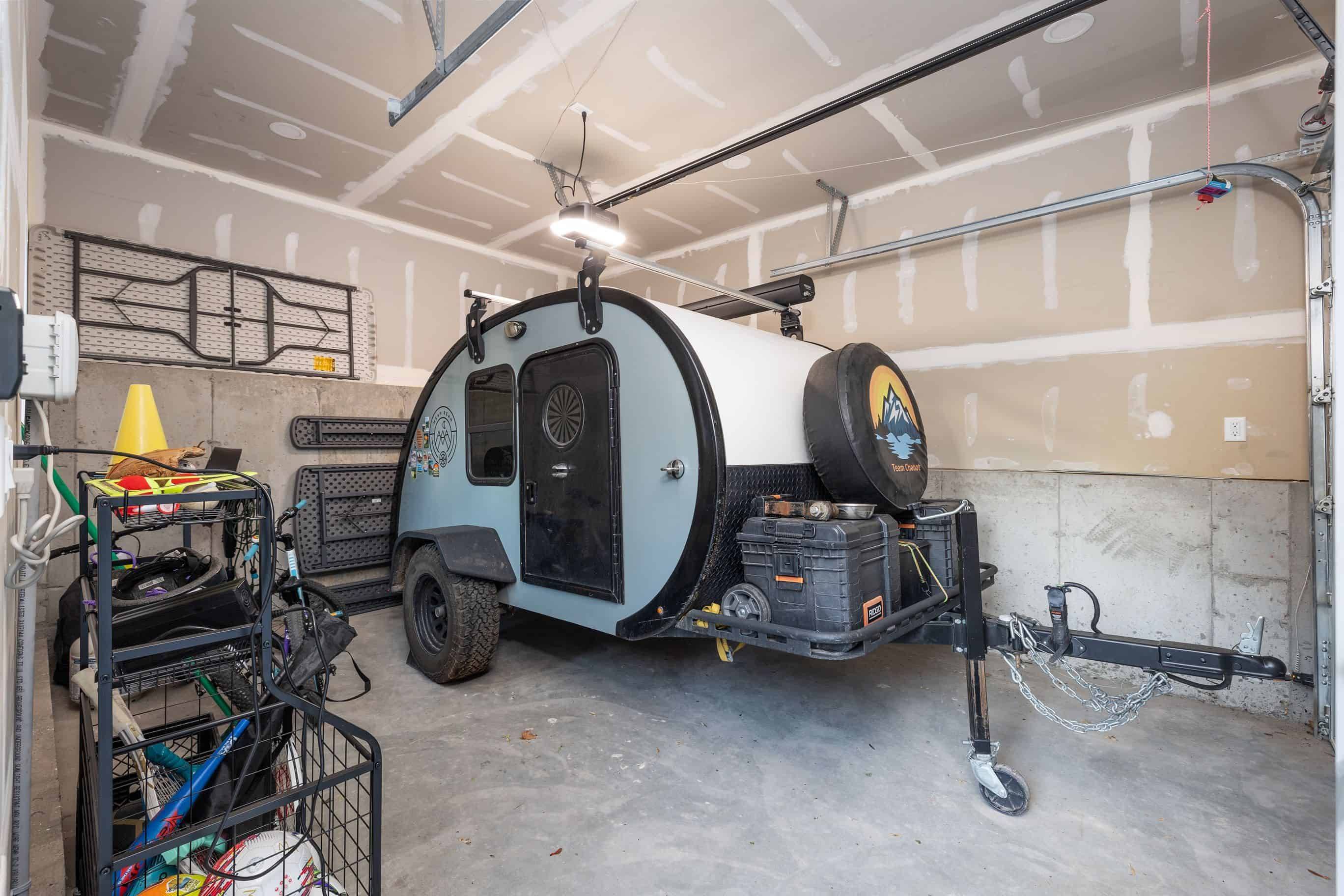
Finished garage interior with drywall, overhead lighting, bicycles, and storage shelving.
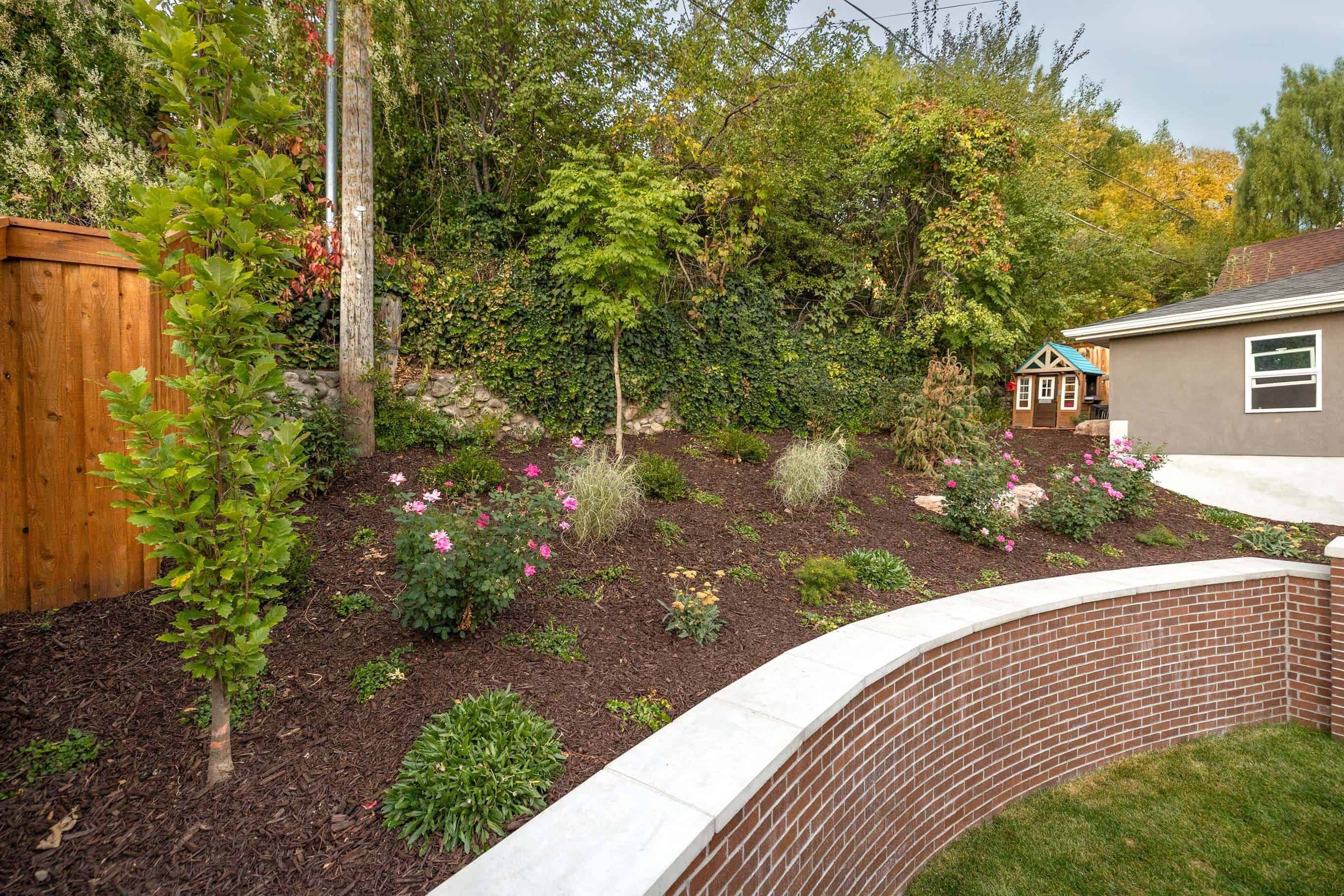
Curved brick retaining wall supporting a mulched hillside planting bed with shrubs and flowering plants.
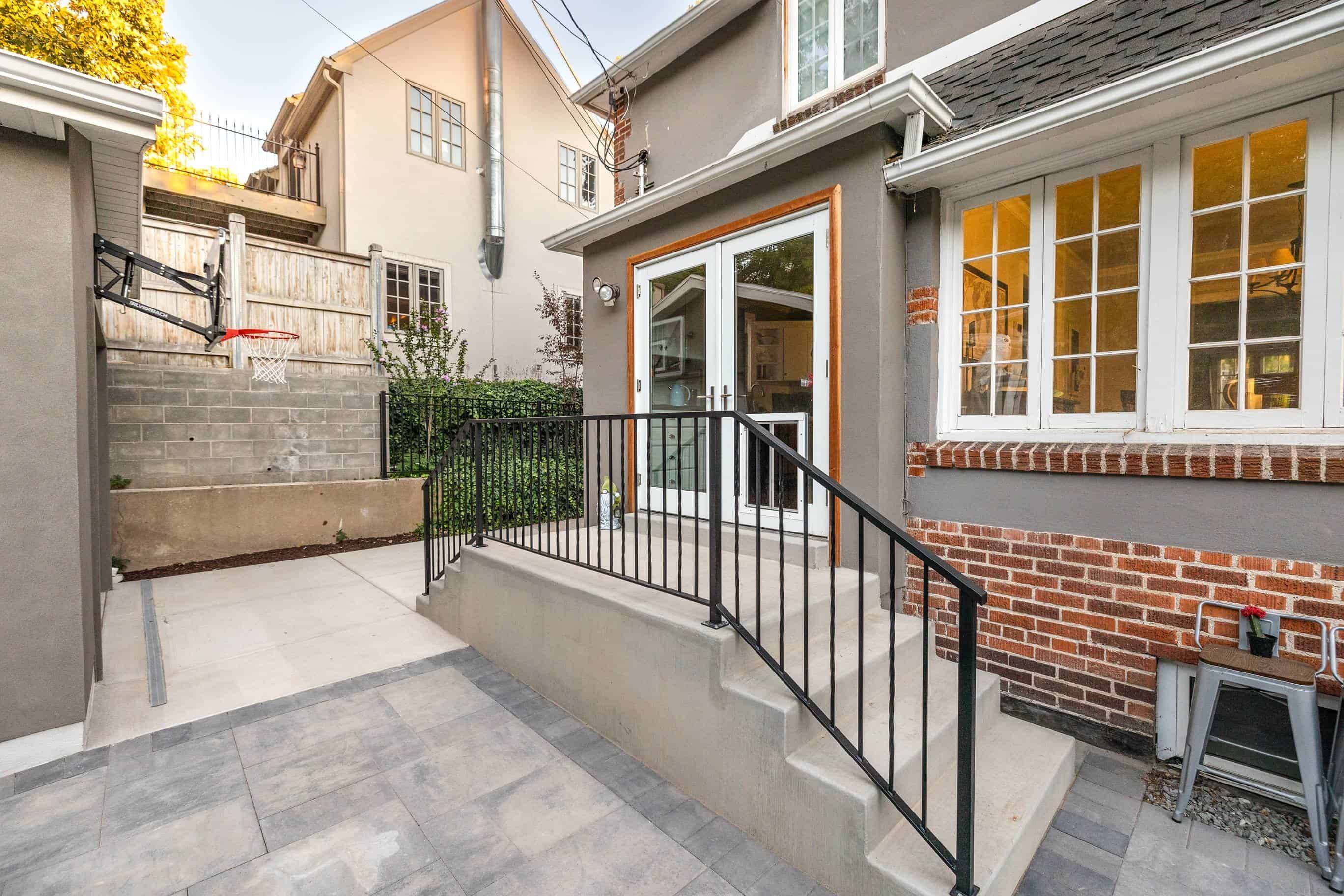
Concrete access steps with black metal railing and gray paver landing
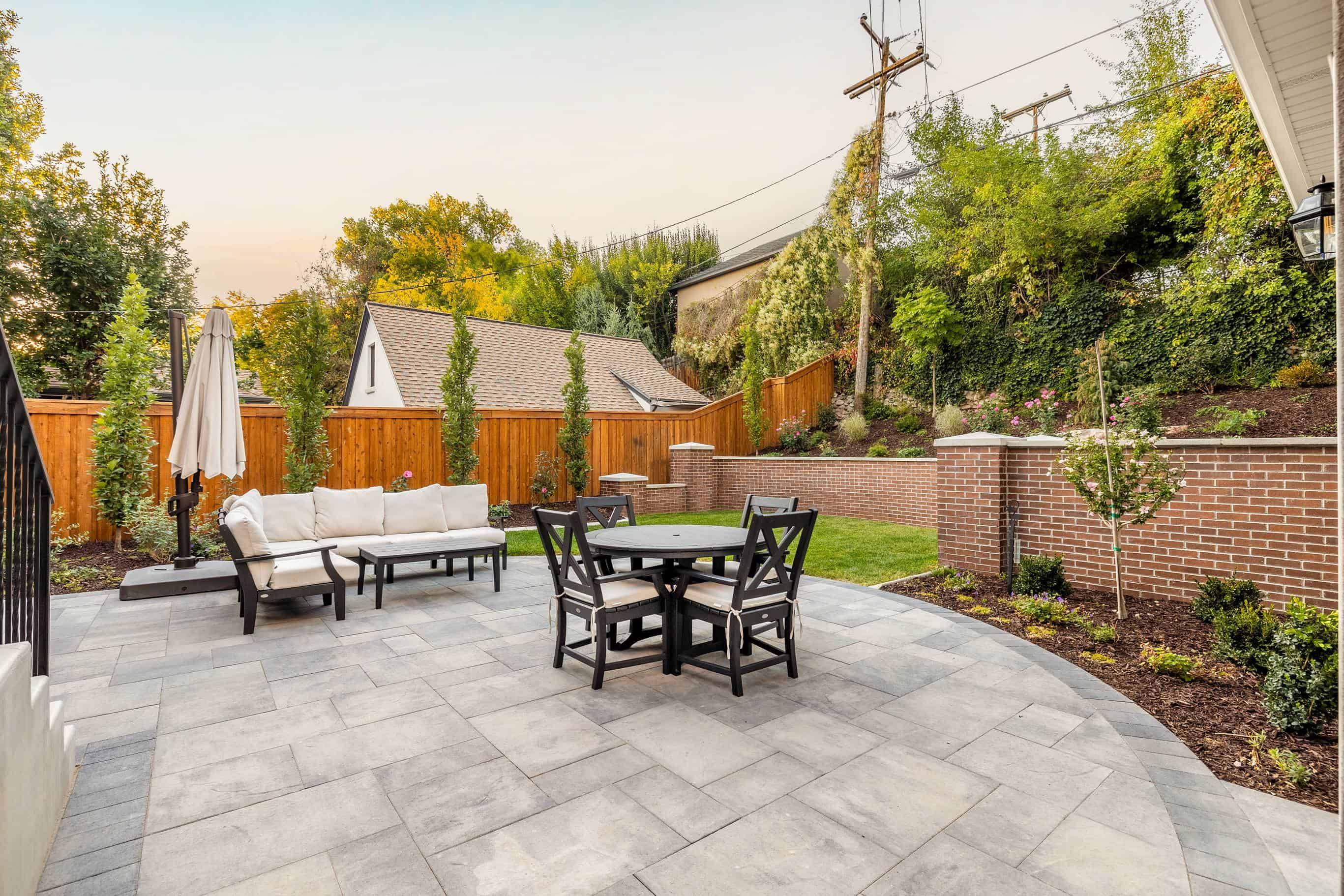
Gray paver patio with outdoor furniture, brick retaining wall, lawn, and wood privacy fence
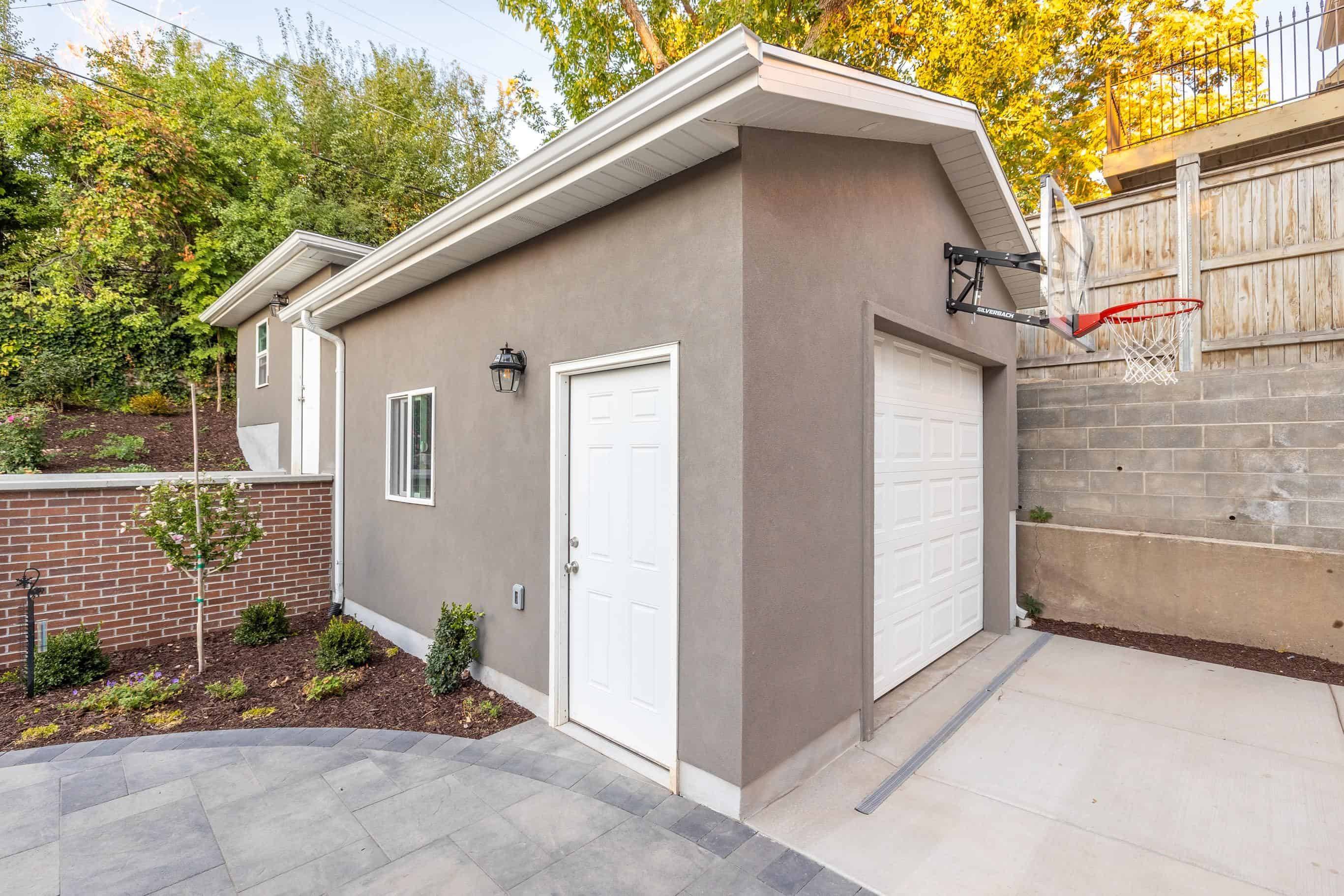
Custom detached garage with a paver patio, concrete drive, brick retaining wall, and landscaped beds.
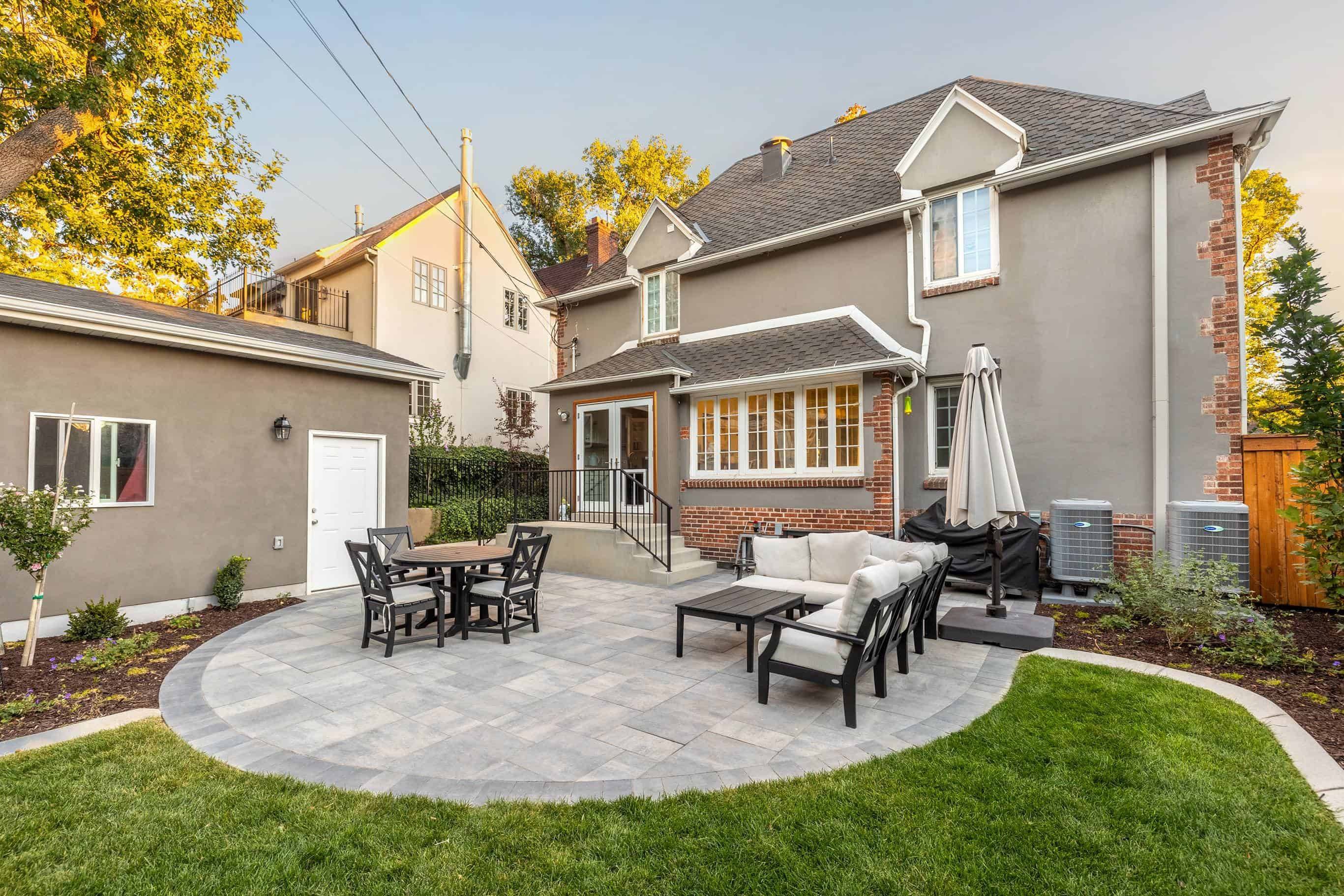
Completed backyard landscape with a curved paver patio, custom garage, lawn, and outdoor seating.
Interior of a completed custom garage with finished walls and storage space.

Federal Heights - Our Project Impact

Serving Utah since 2007, Pitt Landscape has completed projects in Federal Heights across a range of landscape design, construction, and outdoor living services.

Historic Hilltop Living by the University

Set in the northeast corner of Salt Lake City, Federal Heights adjoins the University of Utah and the Wasatch foothills. Originally built as officers’ quarters for Fort Douglas, the neighborhood is now an affluent enclave of classic early‑1900s homes with winding, walkable streets. It borders Red Butte Canyon and Tomahawk Natural Areas, with City Creek and other protected open spaces nearby. Our expertise helps homeowners preserve this historic charm while updating their yards for modern living—using stone terraces and native plantings to handle slopes, restoring old masonry and pathways, and adding features that echo the neighborhood’s heritage.

Nature on Your Doorstep, City Convenience

Federal Heights offers plenty of hiking trails and outdoor access, yet it’s less than a 10‑minute drive from downtown Salt Lake City and close to shopping at City Creek Center. This balance of nature and convenience inspires our designs: we craft outdoor rooms that flow into the surrounding hillsides, incorporate shade structures and drought‑tolerant gardens suited to the foothills climate, and create elegant entertaining areas that blend with historic architecture. Whether you’re adding a patio with valley views or improving a small courtyard, we’ll tailor your space to Federal Heights’ unique blend of seclusion and urban access.

Our Service Categories

Explore our core service categories and discover how Pitt Landscape can transform your property through design and construction.

Project coverage in Federal Heights

Explore recent work and drill into the areas that matter to you.

City Summary

Salt Lake City

Project Gallery

Browse our completed projects by service type

Frequently Asked Questions by Service Type

Browse common questions for each service type. Expand a section to see highlights and jump into the full service page when you're ready.

Landscape Design

Frequently Asked Questions by Service

Have questions? Browse common questions by service. Expand a section to preview answers, then jump into the full service page for more details.

Pavers Installation
Should I seal my pavers, and when?
Sealing is optional but recommended, especially for driveways and light-colored pavers where staining or efflorescence (white mineral deposits) is a concern. Wait 30–60 days after installation before sealing to allow the surface to settle and any efflorescence to appear and be addressed first. Before sealing: clean the surface thoroughly and ensure pavers are completely dry. Use a sealer specifically formulated for concrete pavers — not an asphalt or concrete sealer. Sealers with a satin or matte finish are more forgiving than high-gloss options in Utah's UV environment. Reapply every three to five years depending on wear and exposure.
How long do pavers last in Utah's climate?
Properly installed concrete pavers can last for decades in Utah. The key is the base: a thick layer of compacted road base, deeper under driveways and on clay soil, prevents settling, and edge restraints prevent spreading. Individual pavers that crack or stain can be replaced without touching the rest of the surface.
Retaining Walls
How do I know if my retaining wall has a drainage problem?
Signs of drainage issues behind a retaining wall include: bulging or bowing of the wall face (soil pressure increasing from water saturation), water pooling or seeping through the wall face rather than through designed drainage outlets, and soil slumping or sliding at the top of the wall after heavy rain or irrigation. A properly installed retaining wall includes a gravel drainage layer behind the wall and perforated drain pipe at the base that outlets to a safe discharge point. If you see continuous seepage across the face of the wall rather than at the designated outlet, or if the wall shows any movement, contact us. Drainage failures caught early are far less expensive to address than structural failures.
Will Utah's freeze-thaw cycles damage my retaining wall?
A properly installed retaining wall is designed to handle Utah's freeze-thaw cycles. The key factors are drainage and base depth. A wall with good drainage behind it does not hold water that can freeze and expand against the wall face. Footings set below your area's frost depth, which varies across Utah, prevent the frost heave that lifts improperly placed structures. If your wall was installed correctly, normal freeze-thaw cycling should not cause structural movement. What to monitor: check for any shifting, leaning, or bulging each spring after the ground thaws. Minor cosmetic surface cracking on concrete cap units is common and not structural; significant movement of the wall face itself warrants a closer look.

Ready to Start Your Project?

Tell us more about your project.

You can search for your address to auto-fill the fields below, or simply enter your address details manually.