Pitt Landscape and Construction

General Contractors License (B-100): 10894545-5501

CallTextContact
Hero background
Plants and Softscape in Summit County

Serving Utah since 2007. A Utah B-100 licensed general contractor, with a free consultation and line-item pricing.

Contact Now!

Serving Utah since 2007

Plants and Softscape in Summit County from Pitt Landscape, serving Utah since 2007, with a free consultation and line-item pricing.

Project Coverage in Summit County

See where Pitt Landscape has estimated this work in Summit County.

City Summary

Plant Selection & Design

We plant perennials, shrubs, trees and flowers that anchor your landscape and bring it to life, following a design you bring or one priced as its own line in your estimate. Plants are chosen for your site's sun, soil and elevation and the care you want to give them. Our most common project combines planting, site preparation and irrigation. The right mix of heights, textures and colors gives your Summit County yard interest in every season.
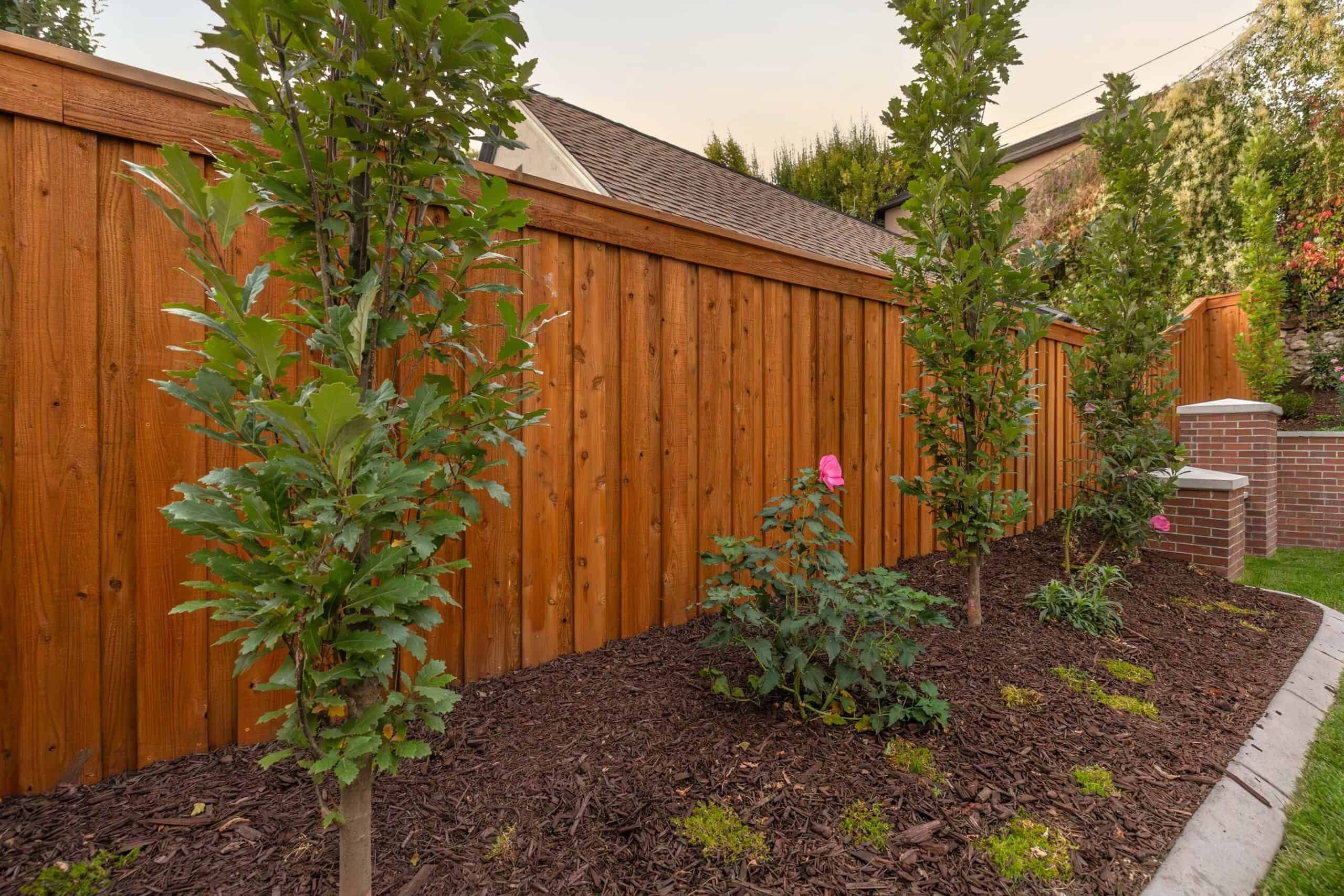
Columnar trees and shrubs in a bark mulch bed along a stained wood fence

What Summit County projects include

Most of our Summit County projects began with site preparation, half included concrete, and more than a third had design priced in the same estimate. Others added retaining walls, new sprinklers, a deck, a fire pit, pavers, landscape lighting or xeriscaping. We obtain the permits your project needs.

Plants and Softscape FAQs for Summit County

Common questions about Plants and Softscape in Summit County.

How often should I water newly installed plants and sod in Utah?
The first 2–4 weeks after installation are the most critical. Newly installed sod should be watered daily (sometimes twice daily in summer heat) for the first 2 weeks until roots establish into the soil below. After that, reduce to every other day, then transition to a regular schedule based on weather and season. Newly installed trees and shrubs need deep, infrequent watering rather than frequent shallow watering — target 2–3 times per week for the first season, allowing the root zone to dry slightly between waterings. Overwatering is as damaging as underwatering for woody plants; consistently saturated soil promotes root rot. Utah's clay soils drain slowly — adjust cycle-soak programming to match your soil's infiltration rate rather than running all the water at once.
How long does it take for new plants to establish after installation?
The general rule for woody plants (trees and shrubs) is one year of active establishment per inch of trunk diameter at planting time. A 2-inch caliper tree takes roughly two years before it is fully self-sufficient. During that period, the plant is investing energy in root system development rather than top growth — it may look the same or even smaller than at planting while the roots spread below. Signs of successful establishment: new growth during the growing season and the ability to handle a few missed waterings without wilting. Annuals and perennials establish much faster — typically within one growing season. Sod is typically rooted enough to mow within 3–4 weeks in summer.
How do I care for new sod in Utah after installation?
For the first 2 weeks: water daily to keep the sod consistently moist — the root zone should never fully dry out. Avoid foot traffic and mowing during this period. After 2 weeks, test whether the sod has rooted by gently tugging a corner — if it resists pulling up, it is rooting. Begin reducing watering frequency. First mow: wait until the sod is rooted and has reached 3.5–4 inches in height. Set the mower to its highest setting for the first cut — never remove more than one-third of the blade length at a time. In Utah summers, keep bluegrass and fescue lawns at 3–4 inches to reduce heat stress and water demand. Fertilize in fall and spring, not during summer heat.
Do I need to winterize my plants before Utah's first freeze?
Most established landscape plants installed in Utah are selected for hardiness in the local climate and do not require special winterization. However, plants installed in fall have not had time to establish root systems and are more vulnerable. For fall-installed trees and shrubs: water deeply before the ground freezes (this is the most important winter prep step — frozen soil + dry roots = winter dieback). Mulch around the root zone but keep mulch 2–3 inches away from the trunk/crown to prevent moisture rot against the bark. Tender or borderline-hardy plants (some ornamental grasses, marginally hardy shrubs) may benefit from burlap wrap in exposed north-facing locations. Sod installed in fall needs sufficient time to root before freeze — sod laid after October 1 may not establish fully before dormancy (earlier at higher elevations).

Softscape Materials & Pathways

Softscape refers to the groundcover and bedding materials that aren’t grass. We lay bark, mulch, chat, gravel, granite and other rock to define garden beds and create walking paths. These materials suppress weeds, conserve soil moisture and support xeriscaping principles, reducing maintenance and irrigation. A crisp mulch edge or smooth gravel path is the finishing touch that makes your landscape feel intentional.

Ready to Start Your Plants and Softscape Project?

Tell us more about your plants and softscape project.

You can search for your address to auto-fill the fields below, or simply enter your address details manually.